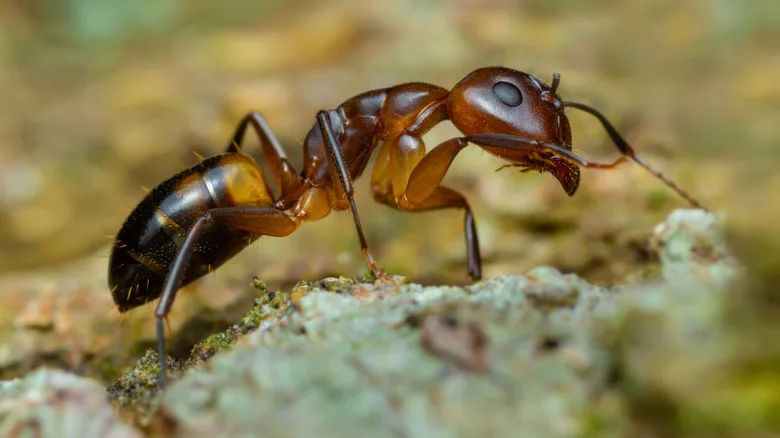
Termites can cause serious structural damage while staying hidden inside walls, flooring, foundations, and other parts of a property. Recognizing early warning signs can help homeowners address potential problems before damage becomes more extensive. Access Better Pest Control helps property owners understand common termite concerns and identify when professional pest control may be appropriate.
Signs such as discarded wings, mud tubes, hollow-sounding wood, and small areas of damage can indicate possible termite activity. Since some of these signs may also come from moisture, decay, or other pests, proper inspection is important before determining the cause.
Common Signs of a Termite Infestation
Discarded Termite Wings
Finding small piles of discarded wings around windows, doors, light fixtures, or other areas can be an early indication of termite activity. Swarming termites shed their wings after locating a suitable place to establish a colony.
If you continue finding wings inside or around your property, especially during periods when termite swarming commonly occurs, consider having the area professionally inspected. Repeated findings may indicate that termites are active nearby.
Mud Tubes Along Walls or Foundations
Subterranean termites can create narrow mud tubes that allow them to travel between soil and wooden portions of a structure. These tubes may appear along foundation walls, crawl spaces, basement areas, or other protected surfaces.
A damaged or broken tube does not necessarily mean the termite problem is gone. If new tubes appear in the same or nearby areas, professional evaluation can help determine whether there is ongoing activity.
Hollow or Damaged Wood
Because termites can consume wood from within, damage may remain hidden until it becomes more noticeable. Wooden surfaces that sound hollow when tapped, feel unusually weak, or show blistering may deserve closer attention.
Not every damaged piece of wood has been affected by termites. Moisture, wood rot, carpenter ants, and natural deterioration can create similar signs, making an inspection useful for identifying the actual cause.
Small Holes or Cracks in Wood
Small openings in wooden surfaces can sometimes be associated with termite activity. You may also notice weakened edges, damaged areas, or small amounts of material near the affected wood.
Pay particular attention to areas where wooden components meet soil, foundations, walls, or other structures. These locations can provide potential entry points for termites.
Warning Signs Homeowners Should Not Ignore
A professional inspection may be worthwhile when you notice:
- Discarded wings near windows, doors, or other openings
- Mud tubes along foundations or walls
- Hollow-sounding or weakened wood
- Visible damage to wooden surfaces
- Small holes or cracks in wood
- Termite droppings or frass
- Doors or windows that suddenly become difficult to operate
- Repeated evidence of possible termite activity
Access Better Pest Control can help homeowners better understand these warning signs and determine whether a professional pest inspection may be appropriate.
Where Termites Commonly Hide
Termites can remain in areas that homeowners rarely examine during normal household maintenance. Common locations can include:
- Crawl spaces
- Attics
- Wall voids
- Foundations
- Wooden framing
- Floor structures
- Areas around plumbing penetrations
- Damp or poorly ventilated spaces
- Wood positioned close to soil
Checking these areas periodically can make it easier to notice unusual activity or conditions that may support termite presence.
How Moisture Can Increase Termite Concerns
Moisture does not automatically mean termites are present, but damp conditions can create favorable conditions for certain termite species. Plumbing leaks, poor drainage, standing water, and excessive moisture around foundations should be addressed as part of general property maintenance.
Homeowners should also avoid storing firewood, lumber, cardboard, and other cellulose-based materials directly against the home. Keeping these materials away from the foundation can reduce potential access points and make termite activity easier to spot.
Termite Damage vs. Other Wood Problems
Damaged wood is not always evidence of termites. Carpenter ants, moisture, wood rot, age, and other forms of deterioration can produce symptoms that look similar to termite damage.
A professional inspection can help identify the likely cause by examining the affected material, surrounding conditions, and any visible evidence of insect activity. Access Better Pest Control can provide information for property owners who need help understanding potential termite or other pest concerns.
What Should You Do If You Find Termite Signs?
If you notice possible termite evidence, avoid disturbing the area unnecessarily. Take note of where the signs were found and whether new evidence appears over time. Photos of mud tubes, discarded wings, damaged wood, or other unusual findings may also be useful during an inspection.
Avoid relying only on household insect sprays when a colony may be involved. Visible insects can represent only a small portion of a larger infestation that may be hidden inside wood, soil, walls, or other protected areas.
For homeowners who continue noticing suspicious signs, Access Better Pest Control can help explain potential inspection and pest control options based on the property and the type of concern being observed.
Preventing Future Termite Problems
While no prevention method can guarantee that termites will never appear, homeowners can take several practical steps to reduce potential risks.
Keep Wood Away From Soil
Where possible, avoid direct contact between untreated wood and soil. Inspect areas around decks, fences, steps, sheds, and other wooden structures for conditions that could provide termites with easy access.
Control Moisture
Repair plumbing leaks, drainage problems, and other sources of unnecessary moisture around the property. Make sure rainwater and other runoff move away from the foundation instead of collecting near the structure.
Maintain the Foundation Area
Keep areas around the foundation accessible for visual inspection. Excessive mulch, stored materials, leaves, debris, or other coverings can make it harder to notice mud tubes and other early warning signs.
Schedule Professional Inspections
Routine inspections can help identify potential termite activity before visible damage becomes extensive. This can be particularly useful for properties with previous termite concerns or conditions that may increase exposure.
Access Better Pest Control can help property owners understand termite concerns and learn about available pest management services for their property.
Frequently Asked Questions
How do I know if I have termites?
Common warning signs include discarded wings, mud tubes, damaged or hollow-sounding wood, small openings in wooden surfaces, and termite droppings. A professional inspection can help determine whether active termites are present.
Are termites always visible?
No. Termites can remain hidden inside wood, soil, walls, foundations, and other protected areas. This means visible damage may sometimes appear after termite activity has already been occurring for some time.
Can termites damage a home’s structure?
Yes. Depending on the termite species, colony size, location, and duration of activity, termites can damage wooden structural components and other parts of a property. Early identification may help limit the extent of damage.
Should I remove termite mud tubes?
Removing a mud tube does not necessarily eliminate the termites. If the tube returns or additional evidence appears nearby, professional evaluation can help determine whether activity is still present.
How can I help prevent termites?
Keep wood and cellulose-based materials away from the foundation, control moisture, maintain proper drainage, repair leaks, and keep foundation areas accessible for inspection. Professional inspections can also help identify potential concerns early.
When should I call a pest control professional?
Consider contacting a pest control professional when you notice repeated termite signs, unexplained wood damage, mud tubes, discarded wings, or other evidence of possible activity. A professional can evaluate the property and explain appropriate pest management options.
Conclusion
Termites can remain hidden while gradually affecting wooden components of a property, making early recognition an important part of home maintenance. Discarded wings, mud tubes, weakened wood, moisture concerns, and other unusual signs should be investigated instead of ignored.
If you notice possible termite activity, professional evaluation can help identify the cause and determine suitable next steps. Access Better Pest Control can assist property owners with understanding termite concerns and available pest control solutions.