
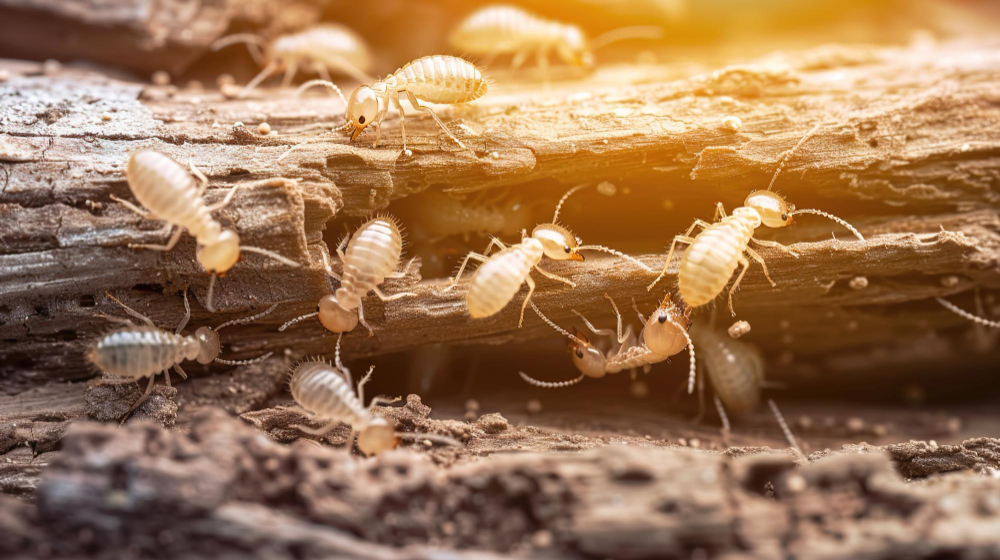
At Access Better Pest Management, we provide professional termite control services in Corona, CA designed to identify active termite infestations, determine the source of the problem, and recommend the right treatment for your property. Our termite specialists inspect accessible areas for signs of drywood termites, subterranean termites, termite damage, mud tubes, wood deterioration, frass, and other indicators of termite activity.
Every property is different, which is why we do not rely on a one-size-fits-all treatment. Our approach combines thorough termite inspections, targeted treatment methods, preventive measures, and ongoing recommendations to help protect residential and commercial properties from costly structural damage.
Whether termites are affecting your attic, crawlspace, foundation areas, exterior wood, garage framing, floor joists, or other wood components, we evaluate the condition of the property before determining the most appropriate solution.
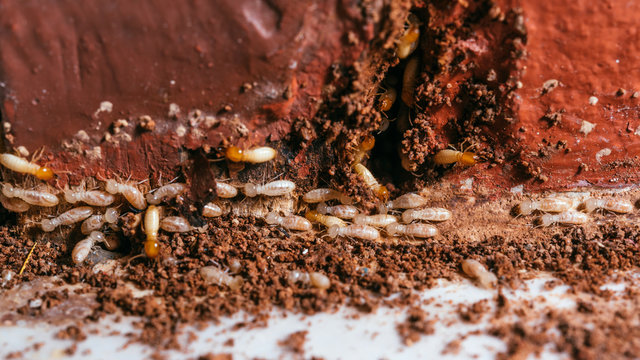
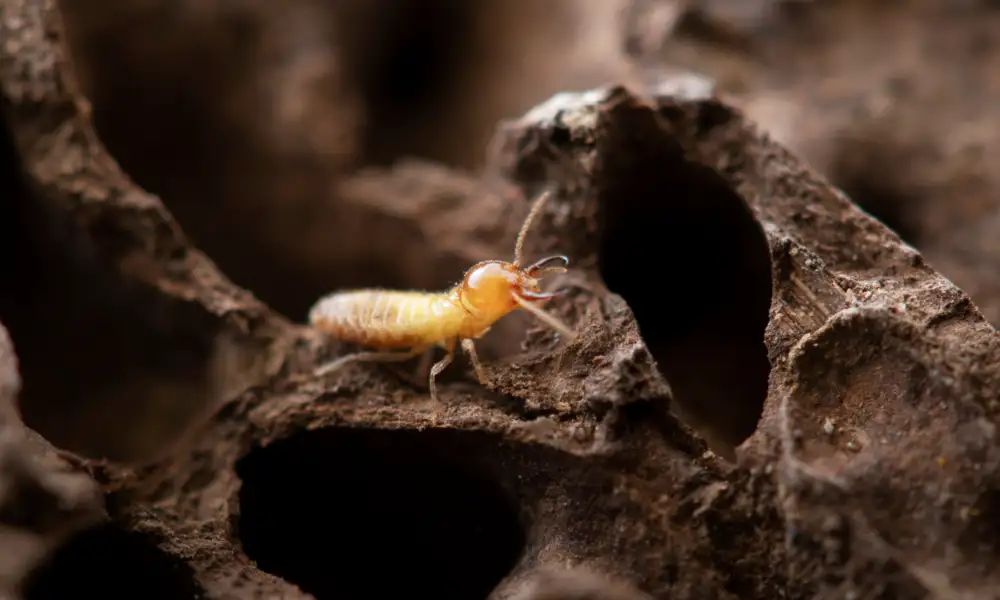
Subterranean termites live in or near soil and can enter structures through foundations, crawlspaces, cracks, utility penetrations, and other vulnerable areas. They create mud tubes to travel between their colony and a food source, often reaching floor joists, beams, subflooring, wall framing, and other wood components. Because much of their activity can occur out of sight, a termite infestation may continue before obvious damage becomes visible. Signs such as mud tubes, damaged wood, moisture-related conditions, discarded wings, or termite activity around the foundation can indicate the need for a professional inspection. At Access Better Pest Management, our termite control services in Corona, CA are based on the condition of the property and the type and location of termite activity. Depending on the inspection findings, treatment options may include:
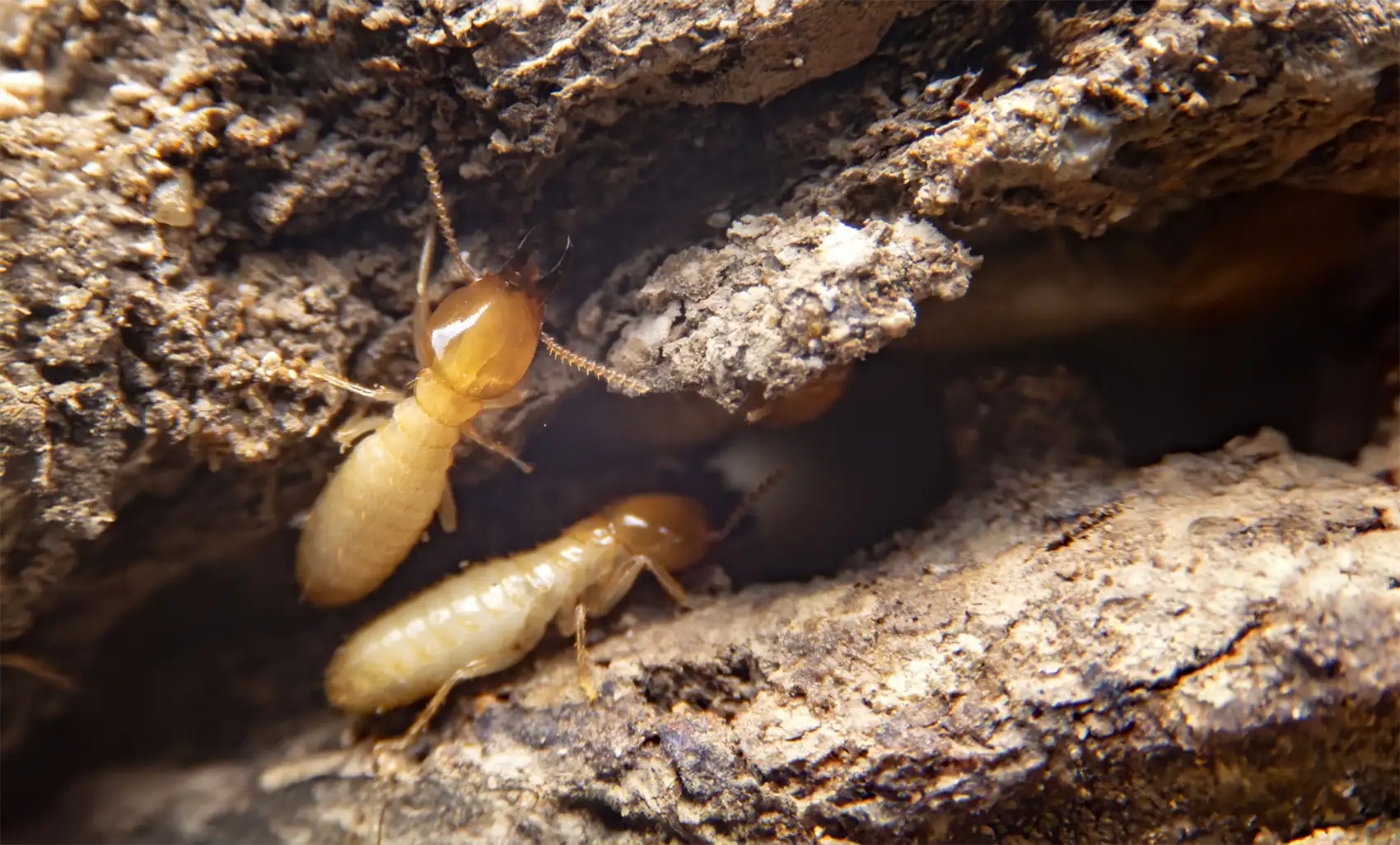
Unlike subterranean termites, drywood termites do not require soil contact to establish an infestation. They can enter a property through exposed wood, small openings, roof and attic areas, exterior wood, siding, vents, and other access points. Once established, drywood termite colonies can remain hidden inside wooden components. Common signs may include termite frass, small kick-out holes, hollow-sounding wood, damaged structural wood, and discarded wings near windows or other openings. Our drywood termite control services in Corona focus on identifying the location and extent of the infestation before recommending an appropriate treatment strategy.
Depending on the property and infestation, treatment options may include:
For complete protection against drywood and subterranean termites, Access Better Pest Management offers TERMAGUARD, a comprehensive service combining specialized treatment protocols. It treats the soil to block subterranean termites while targeting active or potential drywood infestations. TERMAGUARD delivers full-spectrum defense, giving your property maximum protection and peace of mind.
For localized drywood termite problems in Corona, CA, Access Better Pest Management’s TERMASHIELD provides a targeted treatment for visible infestations in exterior wood, garage framing, and attics. Using proven methods, our experienced technicians effectively eliminate active colonies and protect affected areas, helping preserve your property’s long-term structural integrity with an efficient, focused solution.
For complete protection against both drywood and subterranean termites, Access Better Pest Management offers TERMAGUARD, a comprehensive service combining specialized treatment protocols. It treats the soil to block subterranean termites while targeting active or potential drywood infestations. TERMAGUARD delivers full-spectrum defense, giving your property maximum protection and lasting peace of mind.
Yes. We provide termite inspection and treatment for residential and commercial properties in Corona. We check for active termites, identify whether the problem is drywood or subterranean, assess affected wood, and recommend a treatment strategy.
Yes. Our termite control services address both drywood termites and subterranean termites. Drywood termites can infest wood directly, including areas such as attics, garages, exterior wood, and structural components. Subterranean termites are associated with soil and may enter through foundations, crawlspaces, and other vulnerable areas. Treatment depends on the termite type, location, extent of activity, and property conditions.
A professional termite inspection involves looking for visible and accessible signs of termite activity and wood damage. Depending on the property, we may evaluate attics, crawlspaces, garages, foundations, exterior wood, framing, floor joists, and other vulnerable areas. We look for indicators such as mud tubes, frass, damaged wood, hollow-sounding wood, discarded wings, and other evidence of infestation.
Common signs of drywood termite activity can include termite frass, small openings in wood, damaged or hollow-sounding timber, discarded wings, and localized deterioration of wooden components. Because drywood colonies can remain hidden inside wood, visible signs may not show the full extent of the infestation. A professional termite inspection can help determine whether treatment is necessary.
Depending on the property's location, termite inspection and treatment services may be available in Ontario, Chino, and nearby communities. Our inspection can help determine whether the property has drywood termite activity, subterranean termite activity, or termite-related wood damage.