Bee Removal in Corona, CA for Hives in Walls, Attics & Trees

Honey bees play an important role in Corona’s gardens, orchards, and landscapes, but a colony that settles in your attic, wall cavity, roofline, tree, or shed is a different matter. Our bee removal in Corona, CA service starts with finding the colony, not just the bees you see. We trace flight paths, check eaves, vents, and soffits, and listen for buzzing inside walls to pinpoint where the hive is and how the bees are getting in. Seeing a few bees rarely tells you where they live, because foraging bees can travel a long way from their nest.
Access Better Pest Management provides bee hive removal in Corona, CA for homes, apartments, and commercial properties. After the inspection, we recommend a removal plan based on the colony’s location, size, and accessibility, including honeycomb removal and entry-point sealing where needed, so the problem is dealt with at the source.

When Bee Activity Becomes Hard to Ignore

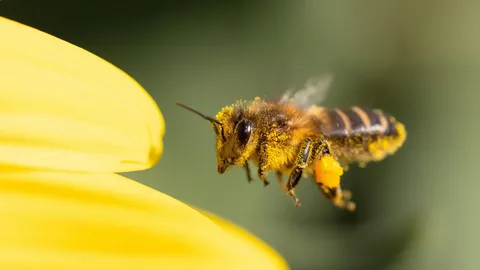
It often starts quietly. A few bees circle one corner of the house, then weeks later the same spot has steady traffic, and bees are slipping in and out of a gap you hadn’t noticed. Around roof edges, trees, wall gaps, vents, patios, or sheds, it can be hard to tell whether bees are simply foraging or returning to a nest. Bee infestation control in Corona, CA begins with reading those patterns. We look at where the bees enter, how many are coming and going, and what surrounds the area, such as vegetation, structures, and water. That gives us the information we need before any removal work is planned, so we don’t guess or treat the wrong spot.

Bees repeatedly using the same opening, buzzing from inside a wall or ceiling, visible wax or comb, dark staining on drywall, or a sweet, musty smell near a wall. If you’ve noticed any of these, waiting rarely helps. Colonies grow, and a bigger colony means more comb, more honey, and a harder removal.

We approach every property with care, evaluating visible activity, likely nesting locations, and surrounding conditions to build a plan that fits your situation.
When Bee Activity Becomes Hard To Ignore
Bee Removal

Hidden Colonies Can Develop Out of Sight

A building can look completely normal while bees are active behind the siding, inside a wall cavity, or beneath the roofline. Small openings around soffits, fascia, vents, utility penetrations, and eaves give bees access to protected spaces. Once they’re inside, they may keep using the same entrance for months while the colony stays largely out of view. Our inspection considers visible activity along with the structural areas where a colony may be established. That includes wall voids, chimneys, meter boxes, and roof overhangs. Bee hive removal in Corona, CA can then be planned around where the colony is and how it can be reached.
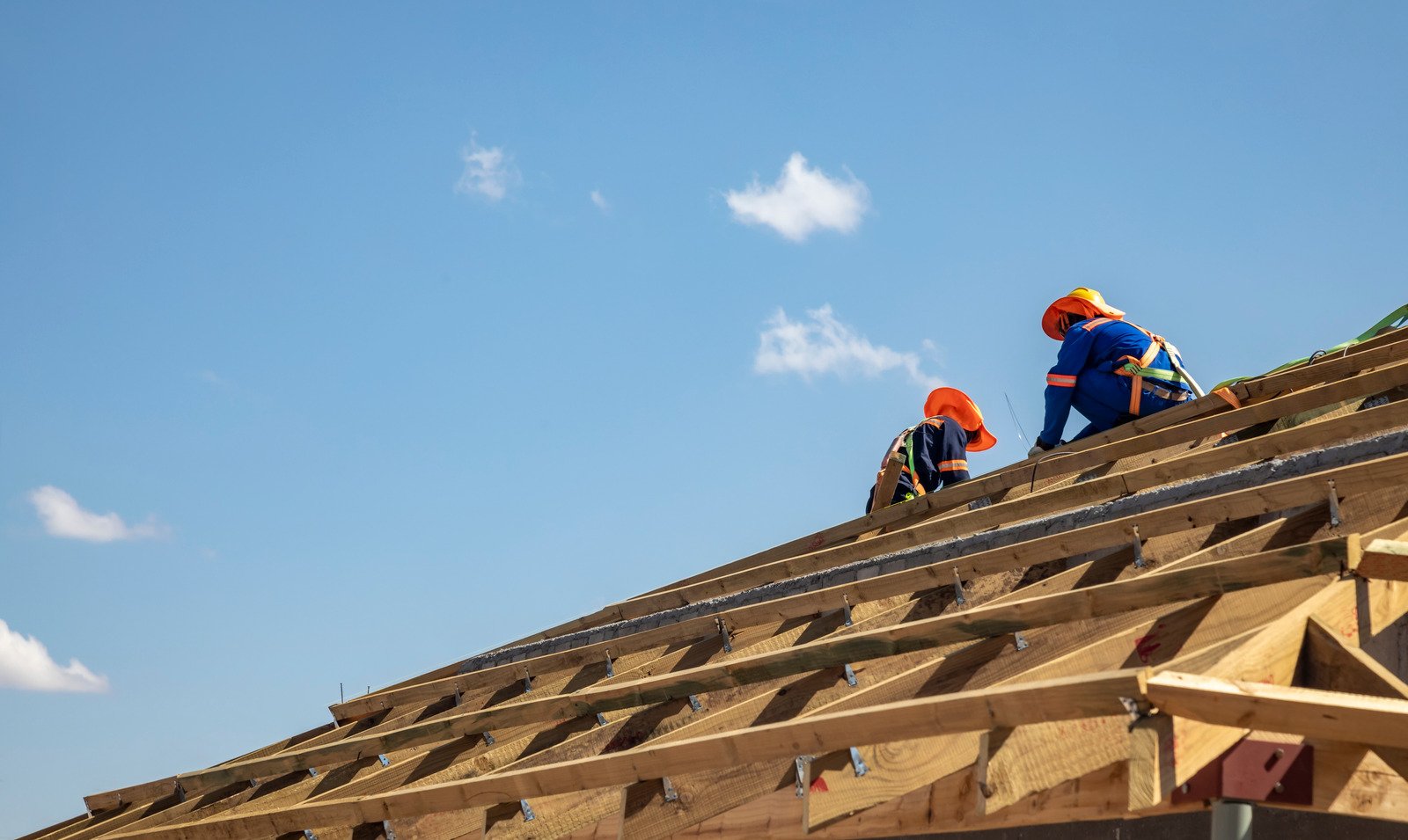
Attics and roof spaces are especially attractive. They’re sheltered, quiet, and warm. Repeated activity near roof intersections, vents, soffits, and eaves is often the clue that bees are going inside. One common mistake is sealing the opening before the colony is dealt with. That can trap bees inside, and they may search for another way out, sometimes through the interior of the home. Locating the source first, removing the colony, then sealing the opening is the sequence that works. If you’ve searched for a bee exterminator in Corona, CA, it’s worth knowing that the right approach depends on the colony. Some situations call for removal, and others need a different plan. We explain what we recommend and why before anything is done.
Bee activity around doors, walkways, patios, or play areas creates daily risk. Family members, employees, customers, and visitors can walk into the flight path without knowing a colony is nearby. Disturbing an active hive can make bees defensive and lead to multiple stings, so removal is best left to professionals. Residential bee removal in Corona gives homeowners an organized way to assess the problem, understand where the bees are, and decide what to do next. A structured service can make frequently used spaces comfortable again.
Outdoor Spaces Can Reveal Colony Activity

Outdoor Spaces Can Reveal Colony Activity

Colonies aren’t limited to buildings. Hollow tree trunks, fence posts, sheds, irrigation boxes, and landscape features can all shelter bees. When bees repeatedly enter the same cavity or gather around one feature of the yard, that behavior deserves a closer look. Our inspection covers outdoor areas as well as structures. We consider the colony location, nearby vegetation, how reachable the nest is, and the spaces people use around it. Removal planning accounts for each of these factors, because a swarm on an open branch is a very different job from a colony in a hollow tree or a buried enclosure.
Corona’s landscaping attracts bees. Flowering plants, fruit trees, and gardens draw foragers all day, and bees visiting flowers don’t necessarily nest on your property. Concentrated activity at a single opening is the stronger sign of a hive. An experienced specialist can tell the difference by watching activity patterns and checking likely nesting spots, which prevents spending money on an area the bees are only visiting. Swarms follow their own pattern. Spring and early summer are the most common seasons for swarms, though Southern California’s mild climate means bee activity can continue much of the year. A swarm that hasn’t built comb yet is generally easier to handle than an established hive, so quick action helps.
Patios, decks, pool areas, play spaces, and walkways can become uncomfortable when a colony is nearby. A hive near these spaces leads to repeated encounters, especially when people unknowingly approach it. The goal is to address the source of the colony rather than reacting to individual bees across the yard. Africanized honey bees are established in Southern California and can be more defensive than other honey bees. For that reason, we advise against trying to remove, spray, or block a hive yourself.

Increasing Bee Traffic Can Signal a Hive

A few bees around a property may not mean anything, but consistent traffic in one place is an important clue. Watch for repeated movement through the same opening, growing numbers of bees, persistent buzzing, visible comb, or a concentration of activity around one part of the structure. These patterns often mean bees are using a nearby nesting site. Our bee infestation control in Corona, CA helps evaluate those signs and locate the areas that need attention. Early professional assessment makes it easier to understand the source before the problem becomes more disruptive.
Colonies may establish themselves inside wall cavities, attics, roof spaces, chimneys, sheds, trees, or other protected locations. Because these places are hard to see into, property owners often notice the traffic long before they see the hive. Over time, the entry point becomes more obvious while the colony stays hidden. Honeycomb is part of the problem. Even after bees are gone, leftover comb, wax, and honey can melt in summer heat, stain drywall, give off odors, and attract rodents, ants, and other insects. The scent can also draw a new swarm to the same cavity. That’s why a complete job includes comb removal where it’s reachable, cleaning, and sealing the entry. Where openings need repair, our wood repair services can help, and our attic insulation and air duct services can address insulation damaged by a colony. Careful examination gives you a clearer direction than trying to manage visible bees one by one.
Local Businesses Need Safer Bee-Free Spaces

Local Businesses Need Safer, Bee-Free Spaces

Commercial properties see bee activity around entrances, rooftops, landscaped areas, patios, loading zones, employee spaces, dumpsters, and outdoor seating. Restaurants, offices, apartment communities, retail buildings, and warehouses can all be affected when a colony settles near areas that employees, customers, or tenants use. Commercial bee removal in Corona starts by finding the active areas and deciding where professional attention is required. Property managers get a clear picture of where the colony is, what’s attracting it, and what needs to happen next, so they can plan around staff, customers, and access.
Bee activity around a business also creates uncertainty. Employees may hear buzzing near an exterior wall, a rooftop, or a tree without knowing where the nest is or how long it has been there. A professional assessment combines visible activity with likely nesting locations to build a clearer picture. That helps businesses make practical decisions about removal, access, and affected areas.

Frequently Asked Questions

Bee activity around Corona Hills properties may increase near flowering plants, trees, rooflines, wall openings, and patios that offer food and shelter. Repeated activity at one spot, especially the same opening, suggests a nearby colony rather than ordinary foraging. A quick inspection can confirm which it is.

Yes. Properties around Dos Lagos have plenty of landscaping, trees, sheds, and rooflines where colonies can settle. Repeated bee movement through one opening is an important clue about where a colony may be established. If you see it, avoid disturbing the area and call for an assessment.

Avoid disturbing the bees, blocking their entrance, or trying to remove the colony yourself. Keep children and pets away and arrange a professional assessment. Homes near open space and greenbelts often see more bee traffic, so an inspection helps separate normal foraging from a hive.

Yes. Older homes can have gaps around rooflines, soffits, vents, siding, and utility penetrations that bees use to get in. Once inside, a colony may stay hidden in an attic or wall cavity for a long time. Buzzing from a wall or ceiling is a strong sign.

Activity may be connected to flowering plants, trees, water sources, or an established colony on or near the property. If bees repeatedly gather in one location or enter the same opening, an inspection can determine the source and whether removal is needed.

Yes. Trees with cavities, hollow sections, or protected spaces can shelter colonies, and hillside areas have plenty of both. Repeated bee traffic near one tree may indicate a colony and justifies a closer look. Don’t disturb the tree, and keep people and pets back.

Restore Peace Across Your Outdoor Spaces

Repeated bee activity around a home, business, roofline, tree, or patio can make an otherwise comfortable property difficult to enjoy. You may notice bees entering a small opening, gathering around one tree, or buzzing inside a wall. Our bee removal in Corona, CA service helps identify the source of the activity, locate potential nesting areas, and understand what conditions support the colony. We examine exterior structures, rooflines, wall openings, trees, attics, sheds, and landscaping features where bees may settle. From single-family homes and outdoor living spaces to apartments and commercial buildings, we address the situations where colonies become disruptive. Access Better Pest Management designs each plan around your property and the bee activity present. If you’re dealing with an active colony, call us to schedule an inspection.