
DIY pest control can be a practical response to a minor, isolated pest issue, but it often falls short when pests are hidden, recurring, or spreading through the home. Store-bought products may reduce visible activity without reaching nests, breeding areas, entry points, or the conditions supporting the infestation. Professional pest control adds inspection, accurate pest identification, targeted treatment, and prevention strategies when the problem requires more than a surface-level fix. This guide explains how DIY and Professional Pest Control compare in cost, effectiveness, safety, and long-term results.
DIY Pest Control vs Professional Pest Control: The Short Answer
DIY pest control is usually the better fit for a small, clearly identified problem that you can monitor and resolve without repeated treatments. Professional pest control is the stronger choice when the infestation is persistent, difficult to locate, capable of causing damage, or likely to affect health and sanitation.
Choose DIY when the activity is limited, the pest is low-risk, and basic prevention has a realistic chance of stopping it. Choose a Pest Control Company when the issue involves termites, bed bugs, rats, mice, heavy cockroach activity, or any pest problem that returns after your initial efforts. The right decision depends on the pest species, infestation size, access to the source, and the consequences of incomplete control.
What DIY Pest Control Can and Cannot Handle
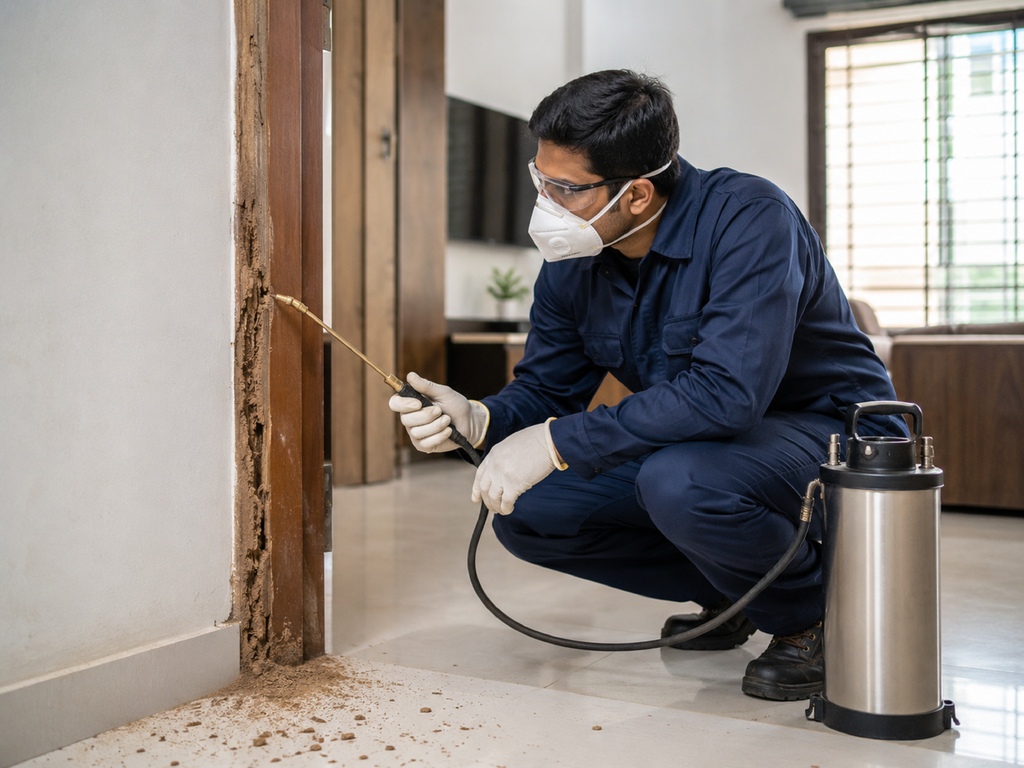
DIY pest control methods work best when the pest is easy to identify, the affected area is accessible, and the source can be removed or controlled with routine prevention. Their effectiveness declines when pests reproduce out of sight, travel through structural voids, or depend on conditions that a single product cannot correct.
DIY Pest Control Methods That May Work for Small Problems
Homeowners can often manage occasional ants, a few spiders, or isolated flea activity with properly selected baits, traps, and labeled pest control products. Results improve when treatment is paired with practical source control, such as removing exposed food, correcting moisture problems, cleaning pet bedding, or closing small accessible gaps.
The key is matching the method to the pest. Ant baits, for example, rely on worker ants carrying the product back to the colony, while traps are designed to capture rodents or monitor insect activity. Applying a general spray without understanding how the pest feeds, travels, or nests may produce little useful control.
Why DIY Extermination Sometimes Fails
Many DIY treatments target the pests that are visible rather than the population producing them. A cockroach seen in a kitchen may indicate harborages behind appliances or inside wall gaps, while a mouse trap does not stop new rodents from entering through an unsealed opening.
Product selection and placement also matter. Repellent sprays can scatter some insects away from treated areas, and incorrect bait placement can prevent pests from contacting the product. If activity continues after treatment, the issue may involve a missed nesting site, an untreated entry point, or a pest species that requires a different control strategy.
What Professional Pest Control Services Provide
Professional pest control is designed to identify the conditions sustaining pest activity and apply a treatment plan that fits the species, location, and extent of the problem. The service is not limited to applying a product. It combines assessment, controlled treatment, and verification of results.
Professional Inspection and Pest Identification
A technician evaluates evidence such as droppings, shed skins, damage patterns, grease marks, nesting material, insect trails, and moisture conditions. These signs help determine the pest species, its likely movement routes, and whether activity is recent or established.
Accurate identification changes the treatment approach. Termite activity requires a different assessment from carpenter ants, and rodent control depends on locating access routes as well as active feeding or nesting areas. A professional inspection also identifies structural conditions, such as gaps around utility lines or damaged door sweeps, that can allow pests to continue entering the property.
Targeted Treatment Plans and Integrated Pest Management
Professional extermination uses methods selected for the pest’s behavior and the treatment environment. Depending on the issue, this may involve bait placement, crack-and-crevice applications, trapping, exclusion recommendations, habitat modification, or monitoring devices.
Integrated pest management reduces reliance on broad, routine pesticide use by addressing the factors pests need to survive: food, water, shelter, and access. For example, an ant treatment may pair colony-focused baiting with moisture correction, while a rodent plan may combine removal with sealing gaps that allow new animals inside.
Follow-Up Treatment and Long-Term Pest Prevention
Some pest life cycles and infestation patterns require reassessment after the initial service. Follow-up visits allow the treatment plan to be adjusted if new activity appears, monitoring devices indicate continued movement, or environmental conditions have not yet been corrected.
Long-term prevention focuses on keeping pest pressure from rebuilding. This can include monitoring vulnerable areas, maintaining exclusion measures, managing vegetation or standing water near the home, and responding early when new signs appear. That approach is especially valuable for properties with recurring seasonal pests or a history of repeated infestations.
DIY vs Professional Exterminator: Cost, Effectiveness, and Safety
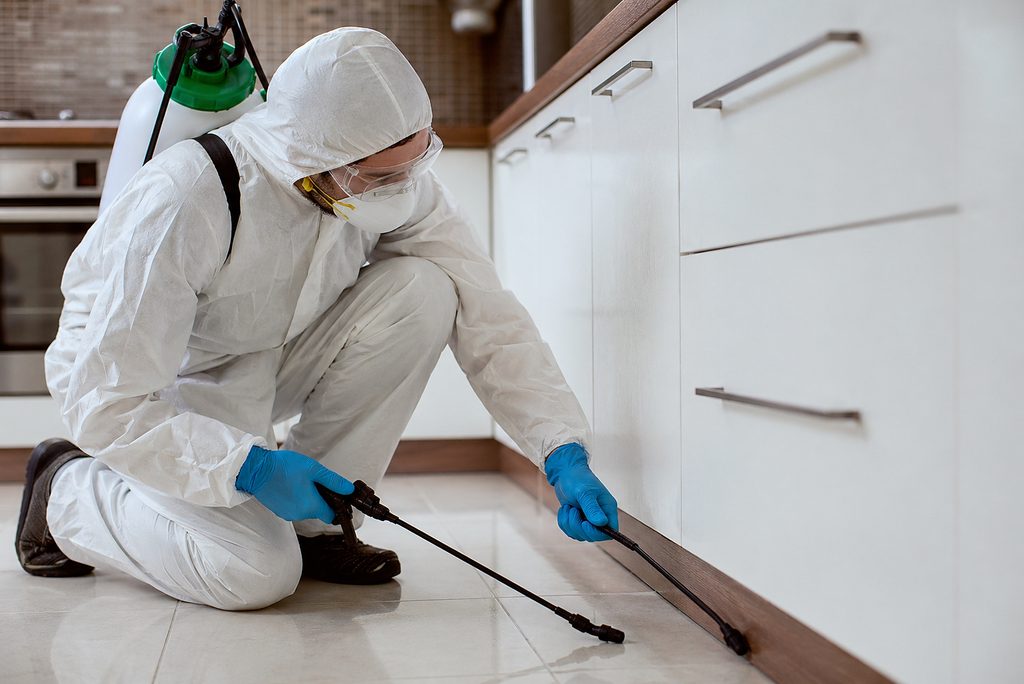
The lowest upfront price is not always the lowest overall cost. A useful comparison considers how likely each option is to resolve the specific problem, how much repeat treatment it may require, and how safely the treatment can be managed in the home.
DIY Pest Control products usually cost less at the point of purchase. That makes them appealing for a straightforward issue, particularly when a single trap, bait, or prevention measure addresses the source.
Professional service has a higher initial cost because it includes labor, diagnostic work, treatment materials, and, in some cases, return visits. The value calculation changes when DIY attempts require multiple products, repeated applications, replacement of damaged materials, or a professional visit after the infestation has expanded. Compare the full cost of control, not only the first purchase.
Which Option Is More Effective?
Effectiveness depends on whether the treatment reaches the pest population and interrupts its return. A homeowner may successfully resolve a localized issue with a correctly used product, but results become less predictable when the pest has several harborages, a rapid breeding cycle, or access to concealed areas.
Professional pest control is generally more reliable for complex infestations because treatment is based on pest behavior, evidence at the property, and conditions affecting the result. The goal is measurable reduction in activity followed by conditions that make reinfestation less likely, rather than a temporary drop in sightings.
Safety for Children, Pets, and the Home
Any pest control product can create avoidable risk when used outside its label instructions or applied in inappropriate locations. Safe DIY use requires selecting a product for the specific pest, following dosage and placement directions, and keeping children and pets away from treated areas as directed.
Professional treatment can offer more control over where and how materials are used. A technician can target active areas, provide preparation and re-entry instructions, and recommend non-chemical measures where appropriate. Homes with young children, pets, respiratory sensitivities, or exposed food-storage areas should factor treatment management into the decision.
When DIY Pest Control May Be Enough
DIY pest control may be appropriate when the problem remains limited and there is no evidence that pests are nesting, causing damage, or moving through multiple parts of the property. The decision should be based on observable conditions and results, not on the assumption that fewer sightings always mean the infestation is gone.
Signs the Problem Is Minor and Contained
A homeowner can reasonably begin with DIY methods when pest activity is infrequent, limited to one accessible area, and connected to an identifiable cause. For example, ants may appear near an unsealed food source, or a few spiders may be entering through a visible gap around a window or door.
There should be no indicators of a larger issue, such as droppings, chewed materials, structural damage, foul odors, bites, repeated sightings after treatment, or activity in separate rooms. After corrective action, pest activity should decline rather than shift to another area of the home.
How to Support DIY Treatment With Prevention
Prevention determines whether a DIY result lasts. Store dry goods in sealed containers, remove pet food after meals when practical, clean grease and crumbs from food-preparation areas, and repair leaks that create dependable water sources.
Inspect accessible exterior openings around doors, window screens, vents, pipes, and utility penetrations. Keep stored items elevated where possible and reduce dense vegetation or debris touching the structure. Continue checking the original activity area for several weeks. New signs after treatment indicate that the original source may not have been fully addressed.
When You Should Hire a Professional Exterminator
Hire a professional exterminator when the pest problem involves uncertainty, property risk, or signs that the population is established beyond one easily treated location. Timely intervention can limit contamination, structural damage, and the cost of more extensive treatment later.
Persistent or Recurring Pest Activity
Repeated activity after a correctly applied DIY product is a clear reason to arrange an inspection. This includes pests that reappear on a regular cycle, show up in new rooms, or remain active despite sanitation and basic exclusion efforts.
Multiple signs can also indicate a broader problem. Examples include mice or rat droppings in more than one area, roach activity during the day, recurring ant trails after baiting, or insects emerging from walls, floors, or cabinets. These patterns require source evaluation rather than another round of general product use.
Serious or High-Risk Infestations
Professional service is appropriate for termites, bed bugs, extensive rodent activity, heavy cockroach infestations, and aggressive stinging insects near occupied areas. These pests can involve concealed colonies, rapid spread, bites, allergens, contamination, or damage to building materials.
Do not delay assessment when you notice termite mud tubes or Damaged Wood, rodent-chewed wiring, unexplained bite marks, persistent musty or urine-like odors, or wasp nests near entrances. These conditions can worsen if treatment is incomplete or improperly handled.
Choosing the Best Option for Your Home
Choose based on the evidence at the property, not only on the cost of the next product. A professional inspection is the practical first step when you cannot identify the pest, cannot find where it is entering, or need to confirm whether the issue is active and widespread.
For professional pest control assistance in Corona, CA, our team provides Termite Treatments and rodent control solutions. We assess the conditions at your property and recommend a treatment plan based on the specific pest problem.
Frequently Asked Questions
How long should I try DIY pest control before calling a professional?
Stop repeating DIY treatments when the correct product has been used as directed and activity is not meaningfully declining. The right timeline varies by pest and product, but new sightings in additional rooms, fresh damage, or no measurable progress after the expected treatment interval indicate that the source needs professional evaluation.
Why am I seeing more bugs after a pest control treatment?
Some treatments disturb pests in hidden harborages, making them more visible before activity decreases. This can occur with insects such as cockroaches and ants, but it should not become a long-term pattern. Follow the preparation and monitoring instructions provided, then contact the company if activity remains consistent or intensifies after the stated follow-up period.
Is a pest control contract worth it for seasonal pest problems?
A recurring plan may be worthwhile when the same pests return during predictable seasons or the property has ongoing conditions that attract them. Before signing, confirm the covered pests, service frequency, retreatment policy, cancellation terms, and whether prevention measures or exclusion work are included rather than assumed.
Can I handle prevention myself and hire a professional only for infestations?
Yes. Many homeowners manage low-risk prevention by reducing food, water, clutter, and accessible entry points, then hire a professional for complex infestations or pest-specific treatment. This approach can control routine household pest pressure while reserving professional service for termites, bed bugs, rodents, or repeated failures.
What should I ask a pest control company in Corona, CA before hiring them?
Ask which pest they believe is present, what evidence supports that identification, where treatment will occur, and whether follow-up visits are included. Also ask about preparation requirements, products or treatment methods, safety instructions for children and pets, and the company’s California pest control licensing status.
Why do pests keep returning after I treat my apartment or house?
Recurring pests often mean that one part of the system remains unchanged, such as a hidden food source, moisture issue, shared wall void, untreated neighboring unit, or exterior entry route. In apartments and other multi-unit properties, effective control may require coordinated action from property management and nearby occupants.