
Living in Corona, CA has plenty of perks—sunshine, gorgeous foothills, and easygoing suburban living. But there’s one downside every homeowner learns about sooner or later: pests love it here just as much as we do! Between our warm weather and lush landscaping, our homes practically roll out the welcome mat for unwanted critters.
The good news? Once you understand why pests show up and how to stop them, you can take back your home. Let’s dig into the most common pests in Corona CA, the warning signs to watch for, and smart prevention tips that actually work.
Why Corona, CA Homes Attract Pests
Corona sits right in the heart of Southern California, and our climate is a big reason pests thrive year-round. Here’s what makes local homes so appealing to them:
- Warm weather: Our long, hot seasons let insects breed and stay active far longer than in cooler regions.
- Dry summers: When it’s parched outside, pests head indoors searching for water and cool shelter.
- Mild winters: Many pests never fully die off here, so populations bounce back fast each spring.
- Nearby parks and open spaces: Green belts and natural areas give rodents, wildlife, and insects a launching pad into neighborhoods.
- Lush landscaping and irrigation: Sprinklers, mulch, and dense plants create moisture and hiding spots right against your foundation.
- Suburban neighborhoods: Closely spaced homes let pests travel easily from yard to yard.
Put it all together and you’ve got the perfect recipe for pest activity. That’s exactly why smart pest prevention matters so much in our area.
The Most Common Household Pests in Corona, CA
Let’s meet the usual suspects—and learn how to keep each one out for good.
Ants
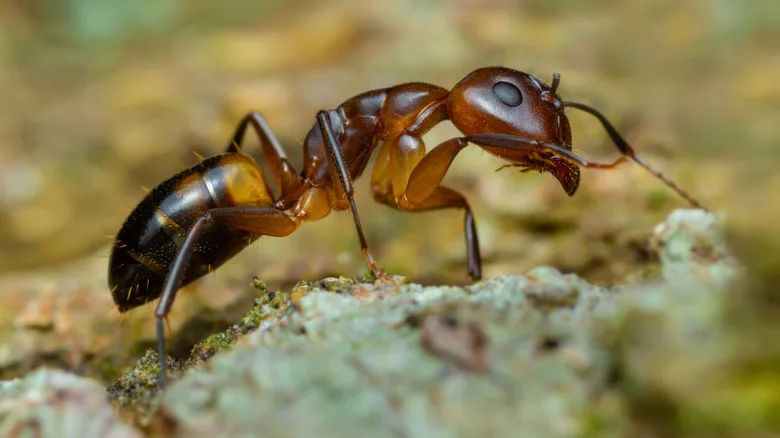
Ants are hands-down the most reported pest in Corona homes. Argentine ants in particular march indoors in long trails, chasing crumbs, spills, and moisture.
- Why they’re common here: Dry summers push them inside for water, and our warm climate keeps colonies booming.
- Signs of infestation: Steady trails along countertops, baseboards, or window sills. You may also spot small dirt piles near cracks and crevices.
- Health/property risks: Most ants contaminate food. Some species can damage wood or deliver painful bites.
- Prevention tips: Wipe up spills fast, seal food in airtight containers, and caulk entry points around windows and doors.
- When to call professionals: If trails return after cleaning or you spot multiple colonies, it’s time for expert help. Ant colonies are tough to wipe out on your own.
Cockroaches
Nobody wants to flip on the kitchen light and see a roach scurry! Unfortunately, cockroaches love Corona’s warmth and any spot with easy food and water.
- Why they’re common here: They thrive in warm, humid hideouts like under sinks, behind appliances, and in drains.
- Signs of infestation: Droppings that look like coffee grounds, a musty odor, egg casings, or roaches active at night.
- Health/property risks: Roaches spread bacteria and trigger allergies and asthma, especially in kids.
- Prevention tips: Keep counters clean, fix leaks, take out trash regularly, and improve sanitation in the kitchen.
- When to call professionals: Roaches breed quickly and hide deep in walls. If you see them regularly, professional treatment is the reliable fix.
Spiders
Most spiders in Corona are harmless and even helpful, munching other bugs. But a few deserve caution.
- Why they’re common here: Warm garages, attics, and cluttered corners give them plenty of quiet nesting spots.
- Signs of infestation: Webs in corners, garages, or crawl spaces, plus egg sacs tucked in dark areas.
- Health/property risks: Black widow spiders live in our region and their bite is medically serious. Watch for them in woodpiles, sheds, and outdoor clutter.
- Prevention tips: Reduce clutter, sweep webs regularly, and seal gaps. Fewer insects around your home means fewer spiders too.
- When to call professionals: If you spot black widows or notice repeat webbing, call a pro to handle it safely.
Rodents
Rats and mice are sneaky, destructive, and surprisingly common across Corona’s suburban neighborhoods.
- Why they’re common here: Nearby open spaces, fruit trees, and cozy attics give rodents everything they need.
- Signs of infestation: Droppings, gnaw marks, scratching sounds in walls or ceilings, and shredded nesting material.
- Health/property risks: Rodents chew wiring (a fire hazard!), contaminate food, and spread disease.
- Prevention tips: Seal gaps larger than a quarter-inch, store food properly, and keep garages and attics tidy.
- When to call professionals: Rodents multiply fast. If you hear activity in walls or find droppings, get a pest inspection right away.
Termites
Termites are the silent budget-wreckers of homeownership. In California, they cause millions in damage every year—often before anyone notices.
- Why they’re common here: Our climate supports both subterranean and drywood termites, and older homes are especially at risk.
- Signs of infestation: Mud tubes along foundations, hollow-sounding wood, discarded wings, or tiny pellet-like droppings.
- Health/property risks: Termites quietly cause serious structural damage to floors, walls, and support beams.
- Prevention tips: Fix moisture problems, keep wood away from soil, and schedule routine pest inspections.
- When to call professionals: Always! Termite infestations need expert treatment. DIY methods rarely reach the colony.
Mosquitoes
Nothing ruins a warm Corona evening faster than mosquitoes buzzing around your patio.
- Why they’re common here: Irrigation, pools, and any standing water give them ideal breeding grounds.
- Signs of infestation: Itchy bites, buzzing at dusk, and larvae wiggling in still water.
- Health/property risks: Mosquitoes can transmit diseases like West Nile virus.
- Prevention tips: Dump standing water weekly, clean gutters, and keep pool water circulating.
- When to call professionals: If mosquitoes make your yard unusable, a professional treatment can target breeding sites and knock down the population.
Wasps
Wasps deliver painful stings and love to build nests around Corona homes, especially in spring and summer.
- Why they’re common here: Warm weather and sheltered eaves make perfect nesting spots.
- Signs of infestation: Papery nests under eaves, in attics, or in shrubs, plus increased flying activity.
- Health/property risks: Stings hurt and can trigger dangerous allergic reactions. (Note: honey bees are beneficial pollinators—those often call for relocation, not removal.)
- Prevention tips: Seal entry points, keep trash covered, and inspect eaves early in the season.
- When to call professionals: Never knock down a large nest yourself. Wasps swarm when threatened, so leave big nests to the experts.
Fleas & Ticks
Pet owners, this one’s for you! Fleas and ticks hitch rides on animals and quickly move indoors.
- Why they’re common here: Mild winters and wildlife intrusion keep these pests active nearly year-round.
- Signs of infestation: Pets scratching constantly, tiny dark specks in fur, or bites around ankles.
- Health/property risks: Fleas cause itching and can transmit disease. Ticks may carry Lyme disease.
- Prevention tips: Treat pets regularly, wash bedding, vacuum often, and trim vegetation where wildlife travels.
- When to call professionals: Fleas embed in carpets and furniture. If home treatments fail, professional service breaks the cycle.
Silverfish
These wiggly, silver insects love dark, damp spaces and can quietly damage your belongings.
- Why they’re common here: They seek out moisture in bathrooms, basements, and crawl spaces.
- Signs of infestation: Silvery insects darting from books or boxes, plus yellow stains or tiny holes in paper.
- Health/property risks: They don’t bite, but they ruin books, wallpaper, and stored fabrics. They’re also a pantry pest at times.
- Prevention tips: Reduce moisture with dehumidifiers, store paper items in sealed bins, and fix leaks.
- When to call professionals: Frequent sightings usually point to a moisture issue that a pro can help pinpoint.
Earwigs
With their scary-looking pincers, earwigs look worse than they are—but nobody wants them indoors!
- Why they’re common here: They love damp landscaping, mulch, and moist soil near foundations.
- Signs of infestation: Earwigs in bathrooms, kitchens, or near damp entry points, especially after watering.
- Health/property risks: They rarely harm people but can nibble garden plants and creep folks out.
- Prevention tips: Reduce mulch near the foundation, fix drainage, and seal cracks and crevices.
- When to call professionals: If earwigs keep invading, it may signal a moisture problem worth a professional look.
Seasonal Pest Activity in Corona
Different pests peak in different seasons. Here’s a quick guide to what you might face throughout the year:
| Season | Common Pests | Prevention Tips |
|---|---|---|
| Spring | Ants, wasps, termites (swarming), spiders | Seal entry points, inspect eaves, schedule a termite inspection |
| Summer | Mosquitoes, ants, wasps, fleas & ticks | Remove standing water, treat pets, keep food sealed |
| Fall | Rodents, spiders, earwigs | Seal gaps, clear clutter, tidy garages before it cools |
| Winter | Rodents, cockroaches, silverfish | Reduce indoor moisture, inspect attics, store food properly |
Knowing the seasonal rhythm helps you stay one step ahead all year long.
How to Prevent Household Pests
Want fewer pests without the stress? These practical homeowner tips make a huge difference:
- Seal entry points: Caulk cracks and crevices around windows, doors, pipes, and your foundation.
- Remove standing water: Empty planters, birdbaths, and clogged gutters weekly to stop mosquitoes.
- Store food properly: Use airtight containers and clean up crumbs to discourage ants and pantry pests.
- Reduce moisture: Fix leaks and run dehumidifiers in crawl spaces and bathrooms.
- Trim vegetation: Keep shrubs and branches away from your walls and roofline.
- Schedule inspections: Routine pest inspections catch problems early—before they get expensive.
- Keep garages clean: Declutter and store items in sealed bins to remove hiding spots.
- Manage trash: Use tight-fitting lids and take out garbage regularly to cut off food sources.
Small habits like these add up to a home that pests simply don’t find appealing!
When DIY Isn’t Enough
Store-bought sprays can handle a stray bug or two, but some situations call for a pro. Here’s when to bring in the experts:
- Hidden infestations: Termites, roaches, and rodents often hide deep in walls, attics, and crawl spaces where DIY can’t reach.
- Recurring pest problems: If the same pests return again and again, the source hasn’t been eliminated.
- Structural damage: Termites and rodents can threaten your home’s safety—this is no time to guess.
- Professional treatment advantages: Licensed pros use integrated pest management (IPM) to target the root cause, not just the symptoms.
Professional pest control saves you time, money, and frustration in the long run. When the problem is bigger than a can of spray, it pays to call in help.
Why Choose Access Better Pest Management
When you need dependable pest control services in Corona CA, Access Better Pest Management is here to help. We combine local know-how with proven methods to protect your home and family.
Here’s what makes us a trusted local pest control company:
- Local experts who understand Corona’s unique climate and seasonal pests
- Experienced, licensed technicians trained in the latest pest management services
- Safe, family-friendly treatments, including eco-friendly pest control options
- Customized pest control plans built around your home and specific concerns
- Residential and commercial services for every kind of property
- Fast response when pests can’t wait
- Preventative maintenance to keep pests away year-round
We proudly serve Corona, CA and nearby communities with honest, thorough, and effective service. Our goal is simple: help you enjoy a comfortable, pest-free home.
Frequently Asked Questions
What pests are most common in Corona, CA?
The most common pests in Corona CA include ants (especially Argentine ants), cockroaches, spiders, rodents, termites, mosquitoes, wasps, fleas, ticks, silverfish, and earwigs. Our warm climate and lush landscaping keep many of these active year-round.
Why do I keep getting ants in my house?
Ants come indoors searching for food, water, and shelter—especially during dry summers. Even tiny crumbs or moisture can attract them. Sealing entry points, cleaning spills quickly, and storing food in airtight containers helps keep them out.
When is termite season in California?
Termite swarming season in California typically peaks in spring and early summer, when warm weather triggers activity. However, termites can damage homes year-round, so regular pest inspections are the best defense.
How can I keep rodents out of my home?
Seal any gaps larger than a quarter-inch, store food properly, keep garages and attics clean, and trim vegetation near your home. Rodents multiply fast, so a professional pest inspection is smart if you notice droppings or scratching sounds.
Are spiders dangerous in Corona?
Most spiders in Corona are harmless. However, black widow spiders live in the region and their bite is medically serious. Watch for them in woodpiles, sheds, garages, and cluttered outdoor spaces.
How often should pest control be done?
Most homes benefit from year-round pest control with quarterly service visits. Homes with recurring issues or nearby open spaces may need more frequent treatments. A customized plan gives you the right level of protection.
What’s the best way to prevent cockroaches?
Keep your kitchen clean, fix leaks, seal cracks and crevices, take out trash regularly, and store food in sealed containers. Since roaches hide and breed quickly, professional treatment is the most reliable solution for active infestations.
Is professional pest control worth it?
Yes. Professional pest control targets the root cause of infestations, reaches hidden nests, and prevents costly damage. Licensed technicians use integrated pest management for safe, long-lasting results that DIY methods often can’t match.
Are eco-friendly pest treatments effective?
Absolutely! Eco-friendly and family-safe pest treatments effectively control pests while minimizing risks to people, pets, and the environment. When applied by trained professionals, they deliver strong, reliable results.
How do I know if I have a termite infestation?
Look for mud tubes along your foundation, hollow-sounding wood, discarded wings, or small pellet-like droppings. Because termites work quietly, a professional termite inspection is the surest way to confirm and stop an infestation.
Conclusion
Pests are a fact of life in Corona, but they don’t have to take over your home! With a little prevention, seasonal awareness, and the right professional support, you can keep ants, termites, rodents, and every other unwelcome guest at bay.
The key is staying proactive. Seal those entry points, cut off water and food sources, and schedule regular inspections before small problems turn into big ones.
Ready for a pest-free home? Contact Access Better Pest Management today for expert, family-safe pest control services in Corona, CA and nearby communities. Let our local team build a customized plan that protects your home all year long!
15 Image Alt Text Suggestions
- Argentine ant trail crawling along a Corona home kitchen counter
- Cockroach hiding behind a kitchen appliance in a Corona residence
- Black widow spider web in a cluttered Corona garage corner
- Rodent gnaw marks and droppings inside a suburban attic
- Termite mud tubes along a home foundation in Corona CA
- Mosquito breeding in standing water near a backyard irrigation line
- Wasp nest built under the eaves of a Southern California home
- Flea inspection on a family pet in a Corona household
- Tick found in tall vegetation near a suburban Corona yard
- Silverfish crawling across stored books in a damp crawl space
- Earwig near a moist foundation and landscaping mulch
- Pest control technician sealing cracks and crevices around a window
- Licensed exterminator performing a residential pest inspection in Corona
- Homeowner storing food in airtight containers to prevent pantry pests
- Access Better Pest Management technician treating a Corona home exterior