If you recently moved to Corona, Riverside, or Lake Elsinore from Orange County or closer to the coast, you may have noticed something right away. The pests here are different. The dry heat, open hillsides, and desert-fringe climate create a unique environment that supports insects and rodents many newcomers have never dealt with before. What looks like a harmless ant trail can quickly turn into a kitchen invasion. What seems like a random winged bug near a window could actually signal structural damage.
For long-time homeowners in Riverside County, seasonal pest problems may feel familiar. Ants in summer. Rodents in winter. Spiders year-round. Still, recurring issues can become frustrating, especially when previous treatments have only provided temporary relief. Meanwhile, property managers and Airbnb hosts face tenant complaints that require quick identification and even faster solutions.
Understanding the most common household pests in Riverside County is the first step toward protecting your property. Once you know what you are dealing with, you can take action with confidence and partner with a company that understands the Inland Empire’s unique pest patterns.
Ants: The Summer Invaders That Never Seem to Quit
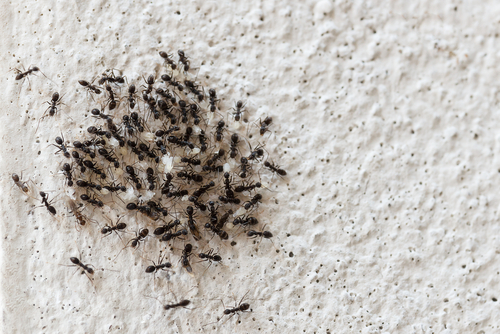
Ants are by far one of the most common household pests in Riverside County. As temperatures climb in late spring and summer, colonies expand rapidly. Argentine ants and odorous house ants are especially prevalent in Corona and Riverside neighborhoods, where irrigated lawns and landscaped yards provide consistent moisture.
New residents are often surprised at how quickly a small line of ants can turn into a widespread problem. Ants enter homes in search of water and food, particularly during hot, dry stretches. Kitchens, bathrooms, and pet bowls become prime targets. Simply spraying visible ants rarely works because the colony remains intact outside.
Access Better Pest Management approaches ant control with customized treatment plans tailored to the specific species. Because different ants behave differently, a one-size-fits-all barrier is not effective. By understanding ant biology and nesting habits, treatments can target the colony at its source rather than just the surface activity inside.
For homeowners who want to be proactive, Access Better Pest Management also understands the Inland Empire pest calendar. They know when ants typically begin foraging in large numbers and can establish seasonal protection before infestations take hold.
Termites: The Silent Structural Threat
Few pests cause as much financial damage as termites. Subterranean termites are particularly common in Riverside County, where soil conditions and warm weather allow colonies to thrive year-round. Unlike ants or spiders, termites often go unnoticed until visible damage appears.
New homeowners unfamiliar with termite swarms may mistake winged termites for flying ants. Property managers may receive complaints about small piles of what looks like sawdust, not realizing it is actually termite frass or discarded wings.
Early identification is critical. Access Better Pest Management offers visual education and free identification services, allowing residents to send a photo of a suspicious insect for professional review. This builds immediate clarity and can prevent small problems from turning into major repairs.
Once termites are confirmed, treatment must be tailored to the structure and level of infestation. Customized treatment plans ensure that the appropriate chemical or organic barrier is applied based on the colony’s location and activity. For established homeowners who have battled termites before, partnering with a local company that understands regional soil conditions offers a major advantage.
Rodents: Winter Warmth Seekers
As fall turns to winter in the Inland Empire, rodents begin searching for shelter. Roof rats and house mice are common throughout Riverside County, especially in neighborhoods near open land or greenbelts. Cooler nighttime temperatures push them toward attics, garages, and wall voids where warmth and food are accessible.
New residents are often shocked at how easily rodents can squeeze through small openings. Gaps along rooflines, unsealed vents, and cracks in foundations create easy entry points. Once inside, rodents can chew wiring, contaminate insulation, and leave behind droppings that pose health risks.
Access Better Pest Management emphasizes proactive seasonal protection by anticipating rodent movement before peak winter months. Their understanding of the IE pest calendar allows them to reinforce barriers and address vulnerabilities early. Exclusion techniques combined with targeted treatments help eliminate active infestations while preventing re-entry.
For property managers, quick identification is especially important. Tenants may report scratching sounds or droppings without knowing the source. Professional inspection confirms the issue and provides a clear plan for resolution, minimizing downtime between renters.
Spiders: Desert-Fringe Neighbors You Did Not Expect
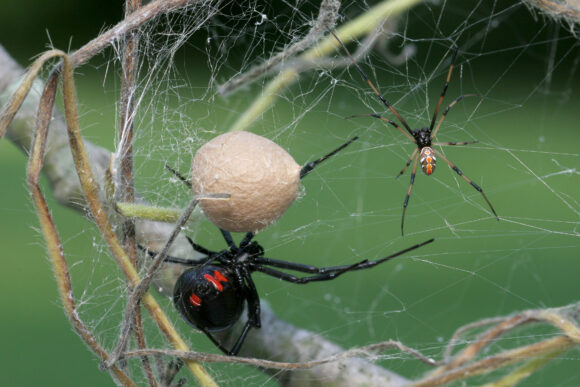
Spiders are another frequent concern among Riverside County residents. While many are harmless, black widows are common in garage corners, block walls, and outdoor furniture. For families with young children, even the possibility of a venomous spider creates anxiety.
The Inland Empire climate supports spider populations year-round. Landscaping features such as rock beds and stacked firewood provide ideal hiding spots. Outdoor enthusiasts and gardeners often encounter spiders while working near dense vegetation or storage areas.
Access Better Pest Management does not rely on generic treatments for spider control. Because spider species vary in behavior and habitat, customized treatment plans focus on both elimination and prevention. By identifying webs, egg sacs, and hidden harborage areas, technicians address the root of the problem.
Visual education is particularly valuable here. Many residents send photos of spiders to confirm whether they are dealing with a harmless garden species or a black widow. Quick, accurate identification builds trust and helps homeowners respond appropriately rather than react out of fear.
Cockroaches: The Persistent Indoor Invader
Cockroaches thrive in warm climates, making Riverside County an ideal environment. German cockroaches are common indoors, while American cockroaches may enter from sewer systems or landscaped areas. For new residents, spotting a cockroach inside the home can be alarming.
Roaches reproduce quickly and are known for hiding in small cracks near kitchens and bathrooms. Simply using over-the-counter sprays rarely resolves the problem long term. Effective control requires understanding the species, nesting areas, and food sources.
Access Better Pest Management designs customized treatment plans based on the specific type of cockroach present. By tailoring the approach to the pest’s biology, they create barriers that are both targeted and efficient. For property managers, fast identification and treatment prevent negative reviews and tenant dissatisfaction.
Proactive seasonal protection also plays a role. As temperatures rise, roach activity increases. Anticipating this shift allows homeowners and landlords to establish preventive measures before infestations escalate.
A Local Partner Who Understands the Invasion Zones
Living in Riverside County means enjoying beautiful weather, mountain views, and vibrant communities. It also means sharing the environment with pests uniquely adapted to desert-fringe conditions. From ants in the summer to rodents in the winter, the cycle repeats year after year.
Access Better Pest Management approaches these challenges as a Corona-based, family-owned company. They live in the same neighborhoods and face the same seasonal pressures as their customers. This local investment drives their commitment to effective, customized solutions.
Understanding the most common household pests in Riverside County is only part of the equation. Acting early, identifying accurately, and choosing a partner who understands the Inland Empire pest calendar makes all the difference. Whether you are a new homeowner adjusting to desert living, a long-time resident tired of recurring issues, or a property manager fielding tenant complaints, professional guidance ensures your home or property remains protected year-round.
There is something special about living in South Corona. The views stretching toward the Cleveland National Forest, the peaceful streets in The Retreat, the manicured landscapes of Eagle Glen, and the newer homes rising along Skyline create a sense of privacy and luxury that draws families from across Southern California. However, with that proximity to open land comes a reality many coastal or out-of-state transplants do not expect. Scorpions are part of the desert-fringe ecosystem, and as development expands, those native populations often shift directly into residential neighborhoods.
For homeowners who have invested in resort-style backyards, expansive patios, and carefully designed landscaping, the thought of a scorpion wandering across pavers at night can be unsettling. For parents of toddlers who crawl along baseboards or explore backyard turf barefoot, it can feel downright alarming. Understanding how to keep scorpions out of South Corona backyards starts with recognizing why they are there in the first place and what proactive steps truly make a difference.
Why Scorpions Are Showing Up in South Corona
New development has transformed large sections of South Corona over the past decade. As hillsides are graded and natural habitats are disturbed, scorpions do not simply disappear. They relocate. Often, that relocation brings them into block walls, landscaped yards, and the cool, shaded areas around luxury homes.
Neighborhoods like Skyline and The Retreat border open space, which makes them especially vulnerable. Scorpions are nocturnal and prefer dark, moist hiding spots during the day. Decorative rock beds, stacked retaining walls, fire pits, and dense shrubbery provide perfect shelter. Even high-end landscaping features can unintentionally create ideal microhabitats.
Many Inland Empire transplants are surprised by their first scorpion sighting. Unlike coastal pests, scorpions are quiet and elusive. You may not know they are present until you spot one at night or discover one inside near a baseboard. This element of surprise is what makes professional guidance so important. Knowing how to keep scorpions out of South Corona backyards requires more than occasional spraying. It requires a strategic, comprehensive approach that addresses habitat, access points, and food sources.
Nighttime UV Inspections: Finding Scorpions When They Are Active
One of the most effective tools in scorpion control is something most homeowners do not think to use: ultraviolet light. Scorpions glow under UV light, which makes nighttime inspections incredibly revealing. While a yard may appear pest-free during the day, a blacklight inspection can uncover activity you would never see otherwise.
Access Better Pest Management performs nighttime UV inspections to identify exactly where scorpions are hiding and traveling. Because scorpions are most active after dark, this method allows technicians to observe real-time behavior patterns. They can determine whether scorpions are clustering near rock walls, emerging from specific landscape features, or approaching entry points into the home.
For luxury homeowners who value precision and discretion, this targeted method is far more effective than broad, guess-based treatments. It ensures that elimination efforts focus on actual hotspots rather than random areas. Safety-conscious parents also gain peace of mind knowing that inspections are thorough and based on scorpion biology, not assumptions.
Nighttime UV inspections are especially valuable in larger properties common in Eagle Glen and Skyline, where expansive yards can conceal multiple hiding spots. By identifying scorpions when they are visible under blacklight, technicians can significantly reduce populations and disrupt established patterns.
Sealing the Perimeter: True Exclusion Services
Eliminating scorpions outdoors is only part of the solution. The next priority is preventing them from entering the home. Scorpions can slip through surprisingly small openings. Tiny foundation cracks, weep holes, gaps under door thresholds, and worn weather stripping all provide access.
Access Better Pest Management focuses heavily on exclusion services. Instead of relying solely on chemical treatments, their team evaluates the structural perimeter of the home. They identify vulnerabilities and seal cracks, reinforce door sweeps, and address openings that may not be obvious to the untrained eye.
This sealing process is critical for families with toddlers who crawl on floors or play near baseboards. Indoor encounters typically happen when scorpions enter in search of food or cooler temperatures. By blocking entry points, you significantly reduce the likelihood of finding one inside.
For homeowners in upscale neighborhoods, exclusion also aligns with long-term property protection. It preserves the integrity of the home while creating a physical barrier that complements exterior treatments. When considering how to keep scorpions out of South Corona backyards, exclusion is one of the most important components.
Landscaping With Prevention in Mind
Beautiful landscaping is a hallmark of South Corona properties. However, certain design choices can unintentionally invite scorpions. Rock mulch, stacked stone features, dense ground cover, and woodpiles create shaded, protected spaces where scorpions thrive.
Access Better Pest Management positions their technicians as consultants, not just applicators. During service visits, they provide landscape management advice tailored to each property. For example, moving woodpiles away from the home reduces harborage areas. Adjusting irrigation schedules can eliminate excess moisture that attracts prey insects. Selecting ground cover that does not trap debris or retain moisture can make a noticeable difference.
Outdoor entertainers with fire pits, built-in seating walls, and decorative boulders benefit from this guidance. Instead of sacrificing aesthetic appeal, they learn how to make small adjustments that discourage scorpion activity. Keeping vegetation trimmed away from foundations and ensuring proper drainage also limits favorable conditions.
Understanding how to keep scorpions out of South Corona backyards often involves subtle changes rather than dramatic redesigns. When homeowners receive clear, practical advice, they can maintain the beauty of their landscape while reducing pest risk.
Breaking the Food Chain to Keep Scorpions Away
Scorpions do not choose a property randomly. They stay where food is abundant. Crickets, roaches, and other insects form the foundation of their diet. If your yard supports a healthy insect population, scorpions are more likely to remain nearby.
Access Better Pest Management takes what can be described as a food chain approach. By targeting and reducing the insects that scorpions feed on, they naturally make the environment less appealing. This integrated strategy addresses the root cause rather than just the visible predator.
For families and luxury homeowners alike, this approach provides longer-lasting results. When prey insects decline, scorpions have less incentive to linger. Combined with exclusion work and nighttime inspections, this comprehensive method creates a multi-layered defense.
In South Corona, where properties often back up to open land, ongoing management is key. New scorpions may occasionally migrate into the area, especially after construction or seasonal changes. However, a property that lacks shelter, access points, and food sources becomes far less attractive.
Living near the skyline offers breathtaking views and a sense of retreat from city life. It should not come with constant anxiety about what may be hiding beneath a planter or along a baseboard. By combining UV inspections, structural sealing, smart landscaping guidance, and food source reduction, homeowners can dramatically lower their risk.
For those wondering how to keep scorpions out of South Corona backyards, the answer lies in a thoughtful, layered strategy guided by local expertise. With professional support from Access Better Pest Management, families in The Retreat, Eagle Glen, and Skyline can enjoy their homes with confidence, knowing that their property is protected both inside and out.
If you live in Corona, you already know the Inland Empire has its share of desert-adapted wildlife. Still, nothing sends a chill through a parent faster than spotting a shiny black spider tucked into the corner of a garage or hiding beneath a backyard playset. For families in neighborhoods like Eagle Glen and Dos Lagos, the fear is not just about the spider itself. It is about the possibility of a curious child reaching into the wrong place at the wrong time.
Black widows are common throughout Southern California, and Corona’s warm climate creates an ideal environment for them to thrive. New homeowners relocating from cooler states are often shocked to discover that these venomous spiders are not rare here. Pet owners worry about dogs sniffing around woodpiles or squeezing behind patio furniture. Gardeners and weekend DIY enthusiasts find themselves hesitating before reaching under planters or into storage bins.
The good news is that black widows can be managed effectively and responsibly. Safe black widow spider removal in Corona, CA, is not just about spraying chemicals and hoping for the best. It requires strategy, attention to detail, and a focus on long-term prevention that protects both your family and the environment around your home.
Why Black Widows Love Corona Yards and Garages
Corona’s climate offers black widows exactly what they need: warmth, shelter, and a steady supply of insects. Unlike some pests that roam openly, black widows prefer dark, undisturbed areas. That means garages, storage sheds, eaves, block walls, and patio furniture become prime real estate.
In suburban neighborhoods, landscaping features often create perfect hiding spots. Decorative rock beds, stacked firewood, and dense shrubs provide shade and cover. Backyard playhouses, trampolines, and outdoor toy bins can also become nesting areas if left undisturbed for long periods.
Many homeowners are surprised to learn that black widows rarely wander far from their webs. They prefer to stay hidden, waiting for prey. This means if you see one spider, there are likely webs and possibly egg sacs nearby. Simply removing the visible spider does not solve the problem. Without thorough intervention, new spiders can hatch and the cycle continues.
That is why professional safe black widow spider removal in Corona, CA, focuses on both elimination and prevention. Addressing the environment as a whole is key to protecting your home.
The Risk to Children and Pets
For parents, the biggest concern is obvious. Young children explore the world with their hands. They crawl into playhouses, dig in garden beds, and reach behind outdoor furniture without hesitation. While black widow bites are rarely fatal, they can be extremely painful and may require medical attention. Muscle cramping, abdominal pain, and nausea are common symptoms, which is understandably frightening for families.
Pets are also at risk. Dogs, especially curious puppies, may stick their noses into corners or under decks where black widows build webs. Cats hunting insects in garages or storage spaces can encounter spiders in hidden crevices. Because pets cannot communicate discomfort the way humans can, bites may go unnoticed until symptoms escalate.
New homeowners in the Inland Empire often underestimate this risk. Coming from areas where black widows are uncommon, they may not know what to look for or how to reduce attractants around their property. Education plays a major role in prevention. Understanding where these spiders hide and how they behave empowers families to make safer choices.
However, awareness alone is not always enough. When spiders have already established themselves, professional removal becomes the safest and most effective option.
Comprehensive De-Webbing: Breaking the Life Cycle
One of the most important aspects of controlling black widows is comprehensive de-webbing. Killing a spider on sight provides temporary relief, but it does not address the egg sacs and hidden webs that sustain the population.
Access Better Pest Management takes a hands-on approach. Their technicians manually remove webs and egg sacs from eaves, garage corners, patio furniture, block walls, and other common nesting areas. This physical removal is critical because egg sacs can contain hundreds of spiderlings. Leaving them behind almost guarantees reinfestation.
In Corona homes, especially those with backyard entertainment spaces, de-webbing often reveals hidden activity in places homeowners rarely inspect. Under the lip of a planter, inside the housing of a pool pump, or behind stacked outdoor toys are all common hiding spots. By targeting these overlooked areas, the life cycle is disrupted before it can expand.
This thorough method sets professional safe black widow spider removal in Corona, CA, apart from quick, surface-level treatments. It is about eliminating the source of the problem, not just the symptom.
The “Invisible” Inspection: Finding What You Cannot See
Black widows are masters of concealment. Their webs are irregular and often tucked deep into corners or crevices. Many homeowners only notice them after a close encounter. That is why a detailed inspection is essential.
Access Better Pest Management conducts what can best be described as an “invisible” inspection. Technicians are trained to identify subtle signs of activity that most people overlook. They examine under patio edges, beneath planters, inside utility boxes, and around garage door tracks. Even small gaps along foundation lines or beneath stucco weep screeds can harbor spiders.
For families in communities like Dos Lagos, where homes often feature decorative landscaping and outdoor living spaces, this level of detail matters. Spiders can establish themselves in areas that appear clean and well-maintained on the surface.
By identifying hidden nesting areas early, technicians can address the issue before it spreads. This proactive approach reduces the likelihood of repeated encounters and helps homeowners feel confident using their outdoor spaces again.
Safe-Barrier Technology and Long-Term Prevention
For parents and pet owners, safety is non-negotiable. Many hesitate to pursue pest control because they worry about harsh chemicals affecting their children or animals. Modern pest management, however, has evolved significantly.
Access Better Pest Management uses low-toxicity, high-efficacy products to create a protective barrier around the home. This safe-barrier technology targets spiders while minimizing risk to people and pets when applied correctly. The goal is to establish a perimeter that discourages spiders from entering and nesting near high-traffic areas.
Equally important is education. During service visits, technicians point out conditions that attract black widows. Woodpiles stacked against the house, cluttered garage corners, and dense vegetation near foundations can all provide shelter. Homeowners receive practical guidance on how to reduce these attractants, making their property less inviting to spiders over time.
This educational approach empowers families. Instead of feeling helpless, parents and homeowners gain a clear understanding of how to maintain a safer environment. When combined with professional treatment and ongoing monitoring, this strategy delivers lasting peace of mind.
Living in Corona means enjoying beautiful weather, mountain views, and vibrant neighborhoods. It should not mean constantly worrying about what might be hiding in the garage or backyard. With the right combination of comprehensive de-webbing, detailed inspection, safe-barrier technology, and homeowner education, black widows can be effectively controlled.
Safe black widow spider removal in Corona, CA, is about more than eliminating a single spider. It is about protecting children at play, safeguarding pets, and allowing families to fully enjoy their homes. For Inland Empire residents seeking a thorough, family-conscious solution, partnering with experienced professionals ensures that safety comes first and that hidden threats are addressed before they become bigger problems.
As winter settles into Corona, California, the chill in the air is not just felt by people. It’s also a seasonal signal for rodents like rats and mice to find shelter. Each year, as temperatures drop, homeowners in Corona experience a noticeable spike in rodent activity inside their homes. While this may seem like an unwelcome coincidence, there are strong biological and environmental reasons behind it. Understanding why this happens is the first step to learning how to keep mice out of the house during winter in Corona and maintaining a pest-free home.
This blog explores the seasonal behavior of rodents, the specific factors making Corona homes vulnerable, and the best ways to defend your living space against these stealthy invaders.
Why Winter Drives Rodents Indoors
Winter brings more than just colder temperatures; it also affects the behavior and survival strategies of wildlife. For rats and mice, staying outside becomes a game of survival when their food sources dwindle and harsh weather sets in. Rodents, like all mammals, seek warmth, shelter, and sustenance. In the wild, this would mean burrowing underground or seeking shelter in hollow trees. However, in suburban environments like Corona, homes become the perfect substitute.
A home offers everything rodents need: warmth from central heating, abundant food in pantries or trash bins, and plenty of hiding spots in attics, basements, walls, and garages. Once inside, they can breed rapidly and remain largely undetected until the infestation becomes too large to ignore. This is why it’s essential to understand how to keep mice out of the house during winter in Corona before the problem escalates.
Why Corona Homes Are Especially at Risk
Though many Southern California residents enjoy relatively mild winters compared to other parts of the country, Corona still experiences enough of a seasonal dip to drive rodents indoors. Unlike regions with consistent year-round cold, Corona’s brief but sharp winter months catch many homeowners off guard. This transition often occurs quickly, with overnight lows dropping enough to trigger rodent migrations into nearby homes.
The city’s mix of suburban neighborhoods, greenbelts, and commercial zones creates an ideal environment for rodents to thrive. Landscaping with dense shrubs, fruit trees, and compost piles offers perfect nesting areas just outside the home. Moreover, the age and construction style of many Corona homes can make them easier for rodents to enter. Small cracks in foundations, gaps around utility lines, and aging attic vents provide access points that rodents can exploit.
Construction or renovation work can also disturb outdoor nests, sending rodents fleeing into nearby structures. Once inside, they’ll explore every level of your home, from the attic to the kitchen. The seasonal pattern repeats each year, which is why learning how to keep mice out of the house during winter in Corona should be an annual priority.
Signs You Have a Rodent Problem
Many homeowners don’t realize they have a rodent issue until the signs are impossible to miss. During winter, you might hear scratching in the walls, ceilings, or under the floors at night when rodents are most active. You may find droppings in the pantry or near pet food, gnaw marks on packaging, or even see a mouse dart across the floor.
Unfortunately, by the time you observe visible signs, the infestation may already be advanced. Rats and mice breed quickly, and a single pregnant female can lead to dozens of offspring in just a few weeks. Beyond the nuisance factor, rodents are also carriers of disease and can contaminate your food, chew through electrical wiring, and damage insulation.
Because of these risks, preventive action is key. Knowing how to keep mice out of the house during winter in Corona is not just about avoiding annoyance; it’s about protecting your home, your health, and your peace of mind.
Effective Rodent Prevention Strategies
Rodent prevention is a multi-pronged approach that requires both vigilance and consistency. The first step is sealing entry points. Walk around your home and inspect the foundation, vents, eaves, and door frames. Even a hole the size of a dime is large enough for a mouse to squeeze through. Use steel wool, caulk, or hardware cloth to close these gaps. Weather stripping around doors and windows should also be checked and replaced if worn.
Inside the home, cleanliness is crucial. Crumbs and unsecured trash provide a food source that keeps rodents coming back. Store dry goods in sealed containers and don’t leave pet food out overnight. Vacuum and sweep regularly, especially in hidden corners where debris can accumulate unnoticed.
Outside, keep landscaping trimmed and eliminate debris piles near the house. Firewood should be stored at least 20 feet away from your home’s walls. If you have fruit trees, pick fallen fruit promptly. Rodents are excellent climbers, so overhanging branches near the roof should be cut back.
Another key strategy involves setting traps proactively during the colder months, especially in attics and garages where rodents often enter. While some homeowners choose DIY options, professional pest control services can provide more comprehensive protection. These services often include a detailed inspection, sealing of entry points, and a tailored treatment plan to remove any existing rodents and prevent future invasions.
If you’ve ever wondered how to keep mice out of the house during winter in Corona, consistent application of these measures each year can drastically reduce your risk.
Long-Term Benefits of Rodent-Proofing Your Home
The benefits of rodent-proofing go well beyond getting through one winter without a mouse sighting. Homes that are sealed and maintained properly are more energy-efficient, have fewer pest problems overall, and tend to retain higher property values. Homeowners also gain peace of mind knowing that their family isn’t being exposed to the health hazards posed by rodents.
Additionally, proactive rodent control helps maintain a cleaner and more sanitary living environment. By eliminating nesting areas and food sources, you’re not just deterring rodents; you’re also preventing the spread of bacteria, allergens, and parasites they often carry.
In a community like Corona, where winters are short but impactful, the seasonal uptick in rodent activity is both predictable and preventable. By adopting a mindset of prevention and staying alert to early warning signs, you can break the annual cycle of indoor invasions and enjoy your winter with one less thing to worry about.
Conclusion
As winter arrives in Corona, so does the increased threat of rodent invasions. Rats and mice are drawn indoors by cold weather and dwindling outdoor food sources. Unfortunately, many Corona homes offer the perfect refuge due to climate, construction styles, and landscaping that attract and shelter pests.
Understanding how to keep mice out of the house during winter in Corona is the first step toward effective prevention. From sealing entry points to maintaining cleanliness and considering professional help, there are several strategies homeowners can implement to defend their homes.
Winter may be brief in Corona, but rodent problems can last all year if not addressed promptly. By taking action now, you can safeguard your home, protect your family, and prevent a minor nuisance from becoming a major infestation. Don’t let the winter invasion catch you off guard, make this the season you take back control.
Need Pest Control Near You?
If you’re dealing with unwanted pests in your home, business, or industrial facility, don’t wait—reach out to us at Access Better Pest Management. Our expert team in Corona, CA is ready to deliver tailored solutions that go beyond just eliminating infestations—we ensure long-term protection and peace of mind. From thorough termite and rodent inspections to customized treatment plans and damage repairs, we’ve got you covered. Let us put our experience and dedication to work for you—contact us today and take the first step toward a safer, pest-free environment.
As the temperatures drop and the holiday season approaches, many Corona, CA homeowners prepare their homes for winter by decorating, winterizing plumbing, and tuning heating systems. However, one crucial aspect that often gets overlooked is pest control. Cold weather drives many pests indoors, seeking warmth, food, and shelter. If your home isn’t properly prepared, you may be rolling out the welcome mat for rodents, spiders, cockroaches, and other unwanted winter guests.
To help you protect your home this season, we’ve put together a detailed winter home pest proofing checklist for Corona, CA. These five essential tasks will help ensure your home stays pest-free through January and beyond.
Seal Exterior Entry Points
The first step in keeping pests out during winter is inspecting your home’s exterior for entry points. Even the smallest gaps or cracks can be an open door for insects and rodents. Pay close attention to areas around windows, doors, utility lines, vents, and foundation walls. Common intruders like mice can squeeze through openings as small as a dime, so nothing should be dismissed as too tiny.
Use silicone-based caulk to seal cracks and gaps in siding or around window and door frames. Expanding foam is great for larger holes, especially around pipes and utility openings. Don’t forget to replace worn weather stripping and install door sweeps to eliminate gaps under doors. Garages, attics, and crawl spaces should also be checked and sealed. Thorough sealing not only prevents pest entry but also improves energy efficiency in your home.
Inspect and Maintain Attics and Basements
Attics and basements are favorite winter hideouts for pests in Corona homes. They provide warmth, darkness, and often go undisturbed for long periods, ideal conditions for nesting. Rodents, silverfish, and even raccoons may seek shelter in these areas if given the opportunity.
Start by removing any clutter that could serve as hiding spots. Store seasonal decorations and other items in plastic bins with secure lids rather than cardboard boxes, which rodents can chew through easily. Check insulation for signs of damage or nesting, such as shredded material or droppings. It’s also important to look for any water leaks or signs of moisture. Many pests are drawn to damp environments, so a dry, well-ventilated space is key to discouraging infestations.
Regularly inspect vents and make sure they are screened properly to keep pests out while still allowing airflow. Trim any tree limbs or shrubs that overhang the roof, as these can serve as highways for rodents trying to enter your attic.
Eliminate Moisture Sources
Even during the dry winter months in Corona, excess indoor moisture can create a haven for pests like cockroaches, silverfish, and termites. These pests thrive in damp environments, so eliminating excess moisture is a top priority in your winter home pest proofing checklist for Corona, CA.
Begin by inspecting plumbing fixtures and pipes for leaks or condensation. Pay special attention to bathrooms, kitchens, laundry rooms, and under sinks. Fix any dripping faucets, leaky pipes, or clogged drains right away. A dehumidifier may be necessary in basements or crawl spaces with persistent humidity.
Ensure gutters and downspouts are cleaned and draining away from the house to prevent water from pooling around the foundation. Also, check for water accumulation in flower pots, buckets, or other outdoor containers. Indoors, make sure that your dryer vents properly and that exhaust fans are used during cooking or showering to minimize indoor humidity.
A dry home is not only healthier and more comfortable for your family, but it’s also far less attractive to pests.
Store Food and Trash Securely
When temperatures drop, pests are not just seeking shelter but also food. Kitchens, pantries, and even garages can become buffet lines for pests if food or trash is improperly stored. Rodents, ants, and roaches are particularly persistent during winter, and once they find a food source, they rarely leave willingly.
Store all food in airtight containers, especially grains, pet food, and cereals that are often stored in bags or boxes. Don’t leave fruit or bread on countertops overnight, and keep floors, counters, and cabinets free of crumbs and spills. Be particularly vigilant during the holiday season when baking and cooking increase the chances of dropped food.
Trash is another major attractant. Use lidded trash cans inside and outside your home, and empty them regularly. Compost bins should be well-sealed and positioned away from the house. If you recycle bottles and cans, rinse them before storing and keep recycling bins clean and covered.
By cutting off their food supply, you significantly reduce the likelihood of a winter pest infestation in your home.
Schedule Preventative Pest Control Service
While DIY pest-proofing steps go a long way, professional pest control services provide an added layer of protection that’s particularly important during the winter months. Corona’s climate, though milder than other regions, still prompts pests to seek shelter indoors. A trained pest control technician can inspect your property for signs of existing activity, apply targeted treatments, and identify vulnerabilities you may have missed.
A winter pest control service often includes perimeter treatments, baiting for rodents, and inspection of common nesting areas like attics, crawlspaces, and wall voids. They can also provide exclusion services such as sealing entry points or setting up barriers in particularly pest-prone areas.
Even if you haven’t seen signs of pests yet, scheduling preventative service before January ensures your home is well-protected when pest activity tends to spike. Many local companies offer winter pest control packages tailored to Corona homes, taking into account regional pest behavior and local building styles.
Don’t wait until pests make themselves at home. A proactive approach can save you from expensive infestations and repairs in the new year.
Conclusion
Winter may bring cooler weather and festive gatherings, but it also brings a higher risk of pest intrusions for homeowners in Corona, CA. Taking action now, before January arrives, can make a world of difference in keeping your home secure and comfortable throughout the colder months.
From sealing up entry points and reducing moisture, to properly storing food and investing in professional help, each step of this winter home pest proofing checklist for Corona, CA is a crucial line of defense against winter invaders. By following these five essential tasks, you’ll enjoy a pest-free home and greater peace of mind all winter long.
Need Pest Control Near You?
If you’re dealing with unwanted pests in your home, business, or industrial facility, don’t wait—reach out to us at Access Better Pest Management. Our expert team in Corona, CA is ready to deliver tailored solutions that go beyond just eliminating infestations—we ensure long-term protection and peace of mind. From thorough termite and rodent inspections to customized treatment plans and damage repairs, we’ve got you covered. Let us put our experience and dedication to work for you—contact us today and take the first step toward a safer, pest-free environment.