Living in Los Angeles has many perks, from the warm climate to the vibrant neighborhoods. Yet, homeowners and property managers face a common challenge that can undermine their comfort and property value: termite and rodent damage. These issues can silently compromise the structure, safety, and livability of a home or business. When the damage is discovered, most people want a reliable company that fixes rodent damage in LA walls and insulation as well as professionals who can reverse the destruction caused by termites. Restoring a property after an infestation requires not only pest control but also specialized repair and rehabilitation services to bring the space back to its original condition.
In this article, we will explore how repair services address termite and rodent damage, what property owners should expect during the restoration process, and why choosing the right professionals makes all the difference.
The Impact of Termite and Rodent Damage
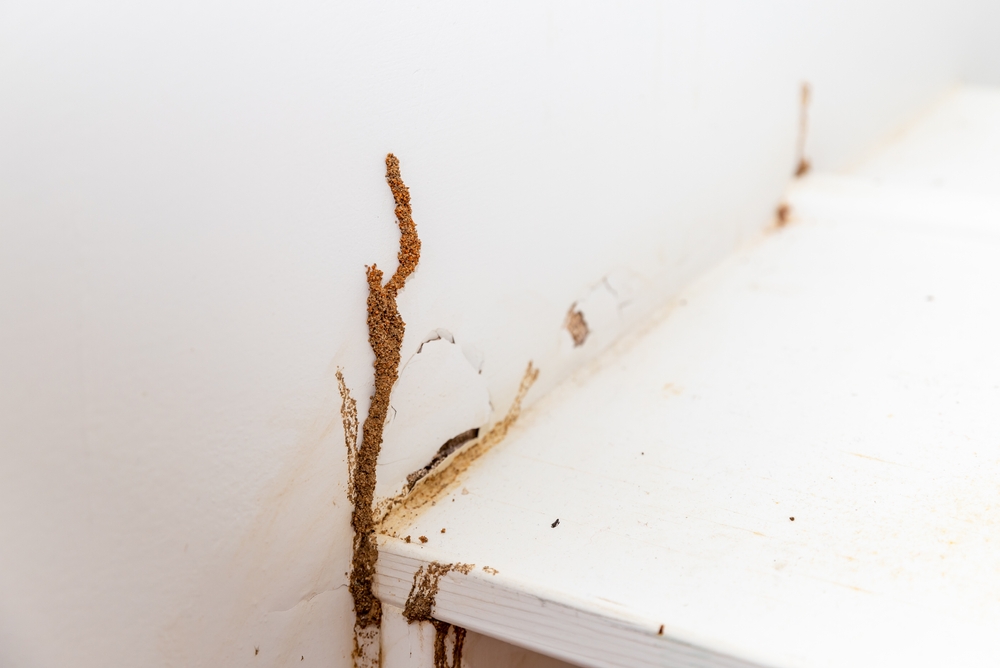
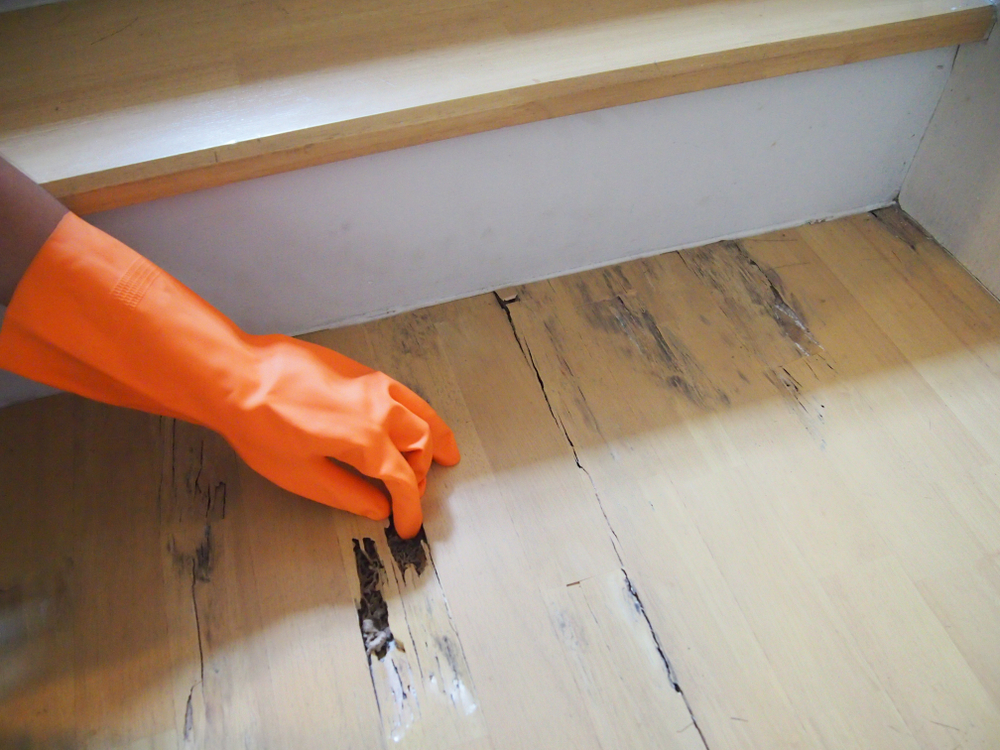
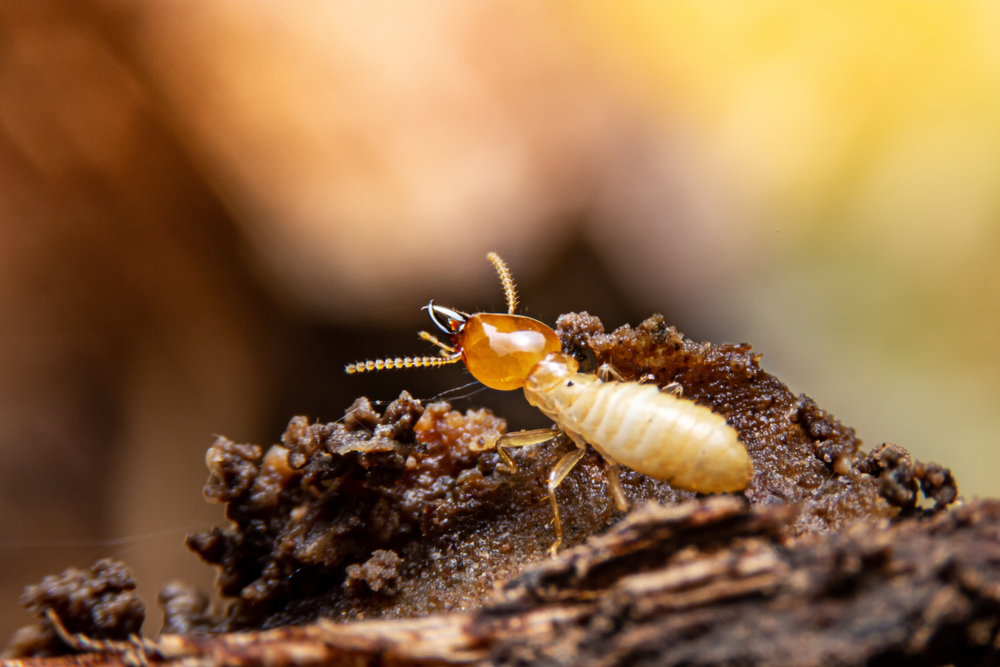
Termites and rodents are not just nuisances; they are forces of destruction. Termites feed on cellulose-based materials, which means wood framing, flooring, and furniture are prime targets. Over time, an undetected termite infestation can hollow out beams, weaken floors, and compromise entire walls. The visible evidence often comes too late, after significant structural integrity has already been lost.
Rodents, on the other hand, are infamous for chewing through insulation, electrical wiring, and even plumbing. Their gnawing habits are not just inconvenient but also dangerous, as damaged wiring can lead to electrical fires. In addition, rodents often nest in insulation, leaving behind waste that creates health hazards and foul odors. Property owners in Los Angeles frequently search for a company that fixes rodent damage in LA walls and insulation because this type of destruction can escalate quickly if not repaired correctly.
The combined financial and emotional burden of these pests makes it critical to invest in restoration services that do more than patch visible damage. True restoration involves identifying hidden issues, repairing or replacing compromised materials, and ensuring the space is safe and comfortable again.
Services That Address Termite Damage in Los Angeles
Repairing termite damage goes beyond simply removing the insects. Once a termite infestation has been treated, the aftermath requires skilled reconstruction. Restoration companies in LA typically begin with a full assessment of the property to determine the extent of the damage. Since termites often cause destruction within walls or beneath flooring, professional inspectors use tools and expertise to detect weakened areas that may not be obvious.
The most common termite repair services include:
Structural Repairs: Termites often weaken wooden beams, studs, and floor joists. These components must be reinforced or replaced to restore strength to the building.
Drywall Replacement: Infestations frequently lead to hollow or warped drywall. Repair services remove damaged sections and install new panels to restore a seamless finish.
Flooring Repair: Hardwood and laminate flooring can be warped, discolored, or hollowed out by termites. Restoration may involve refinishing or complete replacement.
Moisture Control Solutions: Since termites thrive in damp conditions, repair often includes improvements to ventilation and sealing to prevent future infestations.
In Los Angeles, where many homes are older and feature historic designs, repair professionals also strive to preserve architectural character while modernizing materials for durability. This combination of preservation and resilience ensures that termite repair does not diminish the property’s aesthetic or value.
Services That Address Rodent Damage in LA Walls and Insulation
Rodent repair is one of the most requested services for homeowners in Los Angeles. Unlike termite damage, which is primarily structural, rodent destruction impacts comfort, safety, and health. When rodents nest in insulation, they leave behind droppings and urine that seep into the material, creating foul odors and serious health risks. Additionally, insulation that has been shredded loses its effectiveness, leading to higher energy bills and inconsistent indoor temperatures.
A specialized company that fixes rodent damage in LA walls and insulation typically provides services such as:
Insulation Removal and Replacement: Contaminated insulation is safely removed and replaced with new material. In many cases, property owners choose upgraded insulation that enhances energy efficiency while restoring cleanliness.
Drywall and Wiring Repairs: Rodents often chew through drywall and electrical wiring. Repair teams restore walls and ensure wiring is properly fixed to eliminate fire hazards.
Sanitization and Decontamination: Beyond physical repairs, comprehensive rodent restoration includes cleaning and disinfecting areas affected by droppings, urine, and nesting material. This step protects residents from potential health issues like hantavirus.
Sealing Entry Points: To prevent recurrence, professionals seal holes, cracks, and gaps that allowed rodents inside in the first place.
Los Angeles property owners often face repeated rodent issues because of the city’s density and abundance of older housing stock. This makes it essential to choose a repair company that not only fixes existing damage but also takes preventive measures to keep rodents from coming back.
Choosing the Right Repair Professionals in Los Angeles
When dealing with the aftermath of termite or rodent damage, hiring the right professionals is just as important as the repairs themselves. Not all contractors specialize in this type of restoration, and choosing the wrong company can leave underlying issues unresolved. A qualified company that fixes rodent damage in LA walls and insulation or repairs termite destruction should have the following qualities:
Specialized Experience: General contractors may not understand the complexities of pest-related repairs. Look for professionals with a proven track record in termite and rodent restoration.
Integrated Services: The best companies offer both pest control and repair services. This ensures the infestation is fully eliminated before repairs begin, preventing wasted effort.
Safety Standards: Since rodent damage involves biohazards and termite damage can compromise structural integrity, adherence to safety protocols is non-negotiable.
Transparency and Communication: Clear assessments, detailed repair plans, and open communication help property owners understand what needs to be done and why.
Local Knowledge: Los Angeles properties have unique characteristics, from hillside homes to older craftsman residences. Local professionals understand the specific challenges posed by the city’s climate and construction styles.
Property owners should also prioritize companies that use modern materials and energy-efficient solutions when replacing insulation, drywall, or flooring. This not only restores the home but enhances its long-term performance.
The Long-Term Value of Restoration Services
Investing in professional repair services after termite or rodent damage is not just about fixing immediate problems. It is about restoring value, safety, and comfort to a property. Homes and businesses in Los Angeles are significant investments, and neglecting necessary repairs can lead to further deterioration and higher costs in the future.
Proper restoration has long-term benefits, including:
Increased Property Value: A home with recent, high-quality repairs will be more attractive to buyers and appraisers.
Improved Safety and Health: Eliminating biohazards and structural weaknesses ensures a safe environment for occupants.
Energy Efficiency: Replacing insulation and sealing gaps improves indoor climate control and lowers utility bills.
Peace of Mind: Knowing that the damage has been repaired correctly gives property owners confidence that they have resolved the problem fully.
In Los Angeles, where property values are consistently high and competition in the housing market is strong, these benefits can make a substantial difference. The right restoration not only resolves damage but also strengthens a property’s future.
Conclusion
Termite and rodent damage are serious issues that affect countless property owners across Los Angeles. From hollowed-out wood beams to shredded insulation and contaminated walls, the consequences of these pests extend far beyond annoyance. The solution is not just eliminating the infestation but restoring the property through skilled repair services. A trusted company that fixes rodent damage in LA walls and insulation, along with termite restoration specialists, can return a home or business to its original condition while preventing future problems.
The repair factor is about more than construction. It is about reclaiming safety, comfort, and value after an infestation. By choosing experienced, local professionals who understand the unique challenges of Los Angeles properties, homeowners can protect their investments and enjoy peace of mind knowing their property is not just pest-free but truly restored.
Need Pest Control Near You?
If you’re dealing with unwanted pests in your home, business, or industrial facility, don’t wait—reach out to us at Access Better Pest Management. Our expert team in Corona, CA is ready to deliver tailored solutions that go beyond just eliminating infestations—we ensure long-term protection and peace of mind. From thorough termite and rodent inspections to customized treatment plans and damage repairs, we’ve got you covered. Let us put our experience and dedication to work for you—contact us today and take the first step toward a safer, pest-free environment.
Rodent infestations are among the most common pest problems homeowners face, especially in areas like Corona, CA, where warm weather and accessible food sources attract mice and rats year-round. Whether you’re hearing scratching noises at night, noticing droppings, or spotting gnawed wires and furniture, rodents can quickly become a serious issue. If you’re searching for how to get rid of mice in Corona, CA, or looking for a rodent exterminator near me, this comprehensive guide covers everything you need to know about keeping these unwelcome guests out of your home.
Understanding Rodent Behavior and Infestation Risks
Mice and rats are highly adaptable creatures that thrive in residential environments. They seek out warmth, shelter, and food, which often leads them straight into homes. In Corona, CA, the warm climate and suburban structure provide the perfect conditions for them to flourish. Rodents can enter your home through tiny cracks, gaps under doors, and even vents, exploiting entry points as small as a dime.
Aside from being a nuisance, rodent infestations pose serious health and property risks. Rats and mice are known carriers of diseases such as hantavirus, salmonella, and leptospirosis. Their constant gnawing can damage electrical wiring, insulation, and furniture, increasing the risk of house fires and costly repairs. If you suspect a rodent problem, acting quickly is crucial, whether by using DIY strategies or hiring a professional rodent exterminator near me.
Effective DIY Strategies for Rodent Prevention
When it comes to learning how to get rid of mice in Corona, CA, prevention is your strongest weapon. By cutting off access to food, water, and shelter, you can make your home less attractive to rodents. Start by sealing cracks and gaps in your home’s foundation, walls, and around windows and doors. Use steel wool and caulk to block entry points, as rodents cannot chew through these materials.
Proper food storage is another key element of rodent control. Keep dry goods in airtight containers and clean up food spills promptly. Dispose of garbage regularly and ensure outdoor trash bins are tightly sealed. Maintaining a clean kitchen and pantry reduces the chances of attracting rodents.
Traps can also be an effective DIY solution if used correctly. Snap traps, glue traps, and live traps each serve different purposes, but proper placement is essential for success. Place traps along walls, behind appliances, and in dark corners where rodents tend to travel. While these measures can help, if the infestation persists, it may be time to consult a professional rodent exterminator near me for a more comprehensive solution.
Professional Rodent Control Solutions in Corona, CA
For larger infestations or recurring rodent issues, hiring an expert is often the most efficient and effective approach. Pest control specialists in Corona, CA, use advanced tools and techniques that go beyond standard DIY solutions. These professionals conduct thorough inspections to identify nesting areas, entry points, and food sources. They then implement tailored treatment plans that may include traps, baits, and exclusion strategies to ensure long-term results.
In addition to removing existing infestations, professional exterminators also provide preventative measures to reduce the risk of future problems. Some companies even offer eco-friendly solutions that are safe for pets and children while effectively eliminating rodents. Searching for a trusted rodent exterminator near me can connect you with local experts who understand the unique pest challenges faced by Corona homeowners.
Common Signs of a Rodent Infestation
Early detection is critical when dealing with rodents. The sooner you identify an infestation, the easier it is to manage. Some of the most common signs include scratching or scurrying noises in walls or ceilings, especially at night. You may also find droppings in cabinets, pantries, or along baseboards, as well as gnaw marks on furniture, food packaging, and wires.
Other indicators include foul odors from nesting areas, greasy rub marks along walls, and small burrows or nests in hidden spots. If you notice these warning signs, it’s important to act quickly. Homeowners often search for how to get rid of mice in Corona, CA because waiting too long can allow infestations to grow rapidly. While DIY measures can help in mild cases, a professional rodent exterminator near me can ensure complete eradication and prevent future issues.
Long-Term Prevention and Home Maintenance
Rodent control doesn’t end once you’ve eliminated the immediate problem. To protect your home long-term, ongoing maintenance is essential. Regularly inspect your property for new gaps, cracks, or vulnerabilities rodents could exploit. Keep vegetation trimmed back from your house, as overgrown shrubs and branches can serve as bridges for rodents to access your roof and attic.
Additionally, maintaining proper sanitation both indoors and outdoors plays a huge role in prevention. Clean up fallen fruit from trees, store firewood away from your home, and avoid leaving pet food out overnight. Investing in routine pest control inspections can also save you time, money, and stress by catching potential infestations before they spiral out of control.
Conclusion
Rodents are persistent pests, but with the right strategies, you can keep them out of your home and protect your family’s health and safety. From sealing entry points and proper food storage to using traps and hiring professional services, there are many effective ways to manage rodent problems. Whether you’re searching for how to get rid of mice in Corona, CA or a reliable rodent exterminator near me, taking prompt action is the key to preventing infestations from becoming severe. By combining proactive home maintenance with professional pest control when needed, you can enjoy a rodent-free home and lasting peace of mind.
Need Pest Control Near You?
If you’re dealing with unwanted pests in your home, business, or industrial facility, don’t wait—reach out to us at Access Better Pest Management. Our expert team in Corona, CA is ready to deliver tailored solutions that go beyond just eliminating infestations—we ensure long-term protection and peace of mind. From thorough termite and rodent inspections to customized treatment plans and damage repairs, we’ve got you covered. Let us put our experience and dedication to work for you—contact us today and take the first step toward a safer, pest-free environment.
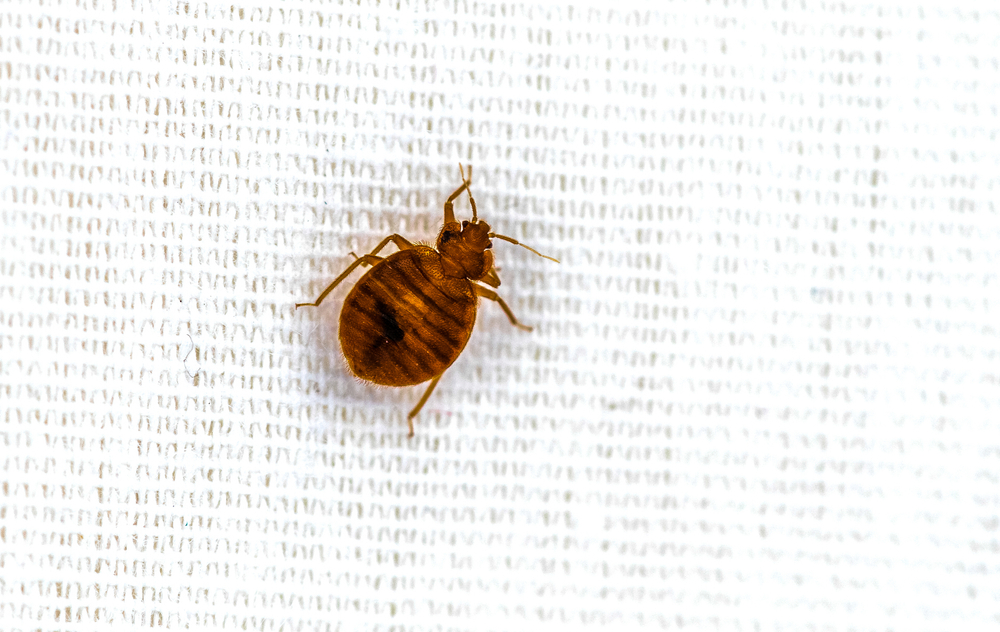
Bed bugs are small, reddish-brown insects that feed on the blood of humans and animals while they sleep. Despite their name, they are not limited to beds and can be found in sofas, chairs, carpets, baseboards, and even behind electrical outlets. These pests have flat, oval-shaped bodies, which allow them to hide easily in cracks and crevices. They are nocturnal, emerging at night to feed, and they can survive for months without a meal, making them persistent and difficult to eliminate.
One of the reasons bed bugs are such a nuisance is their ability to multiply quickly. A single female bed bug can lay hundreds of eggs in her lifetime. Eggs are small, white, and nearly invisible to the naked eye, which contributes to infestations spreading unnoticed until they become severe. Unlike some pests, bed bugs are not known to transmit diseases, but their bites can cause itching, allergic reactions, and even secondary infections from scratching.
In cities like Corona, CA, bed bug infestations are not uncommon due to the area’s dense population and frequent movement of people through hotels, apartment complexes, and homes. Once inside, bed bugs can spread rapidly between rooms and even from one apartment to another. Many residents first notice a problem when they see small clusters of red, itchy bites on their arms, legs, or torso. Others may discover dark spots on sheets and mattresses, which are bed bug fecal stains, or shed skins left behind after molting.
Understanding the biology and behavior of bed bugs is essential before exploring how to get rid of bed bugs in Corona, CA. Because of their resilience and adaptability, homeowners often find that do-it-yourself solutions fall short, leading to frustration and wasted time. Professional pest control is often the only reliable way to fully eliminate them.
Why Bed Bugs Are So Difficult to Eliminate
Many pests can be managed with over-the-counter sprays or traps, but bed bugs are in a different league altogether. Their biology and behavior make them particularly challenging to eradicate. First, they are masters of hiding. Their flat bodies enable them to squeeze into spaces as thin as a credit card. That means they can hide behind wallpaper, in furniture joints, or deep within mattresses, making them difficult to locate and treat effectively.
Second, bed bugs are resistant to many common pesticides. Over the years, populations have developed immunity to certain chemicals that were once effective. As a result, many store-bought sprays and treatments fail to provide lasting results. This is a significant reason why people who try DIY methods often find themselves dealing with recurring infestations.
Third, bed bugs are incredibly resilient when it comes to starvation. Unlike some pests that must feed frequently, bed bugs can survive for several months without a blood meal. This means that even if a bedroom or piece of furniture appears empty, bed bugs may still be lurking, waiting for the right opportunity to feed again.
In a city like Corona, CA, where households are interconnected and neighbors live close to one another, the risk of reinfestation is also high. Bed bugs can travel between units in apartment buildings or hitchhike on luggage, clothing, or used furniture. For this reason, calling a professional bed bug exterminator near me is often the only effective solution. These experts have specialized tools and methods that go beyond what a homeowner can achieve on their own.
Heat treatments, for example, are a proven method of killing bed bugs in all life stages, including eggs. Chemical treatments applied by licensed professionals can also target resistant populations. More importantly, exterminators in Corona, CA can conduct thorough inspections, identify hidden infestations, and implement follow-up treatments if necessary, ensuring that bed bugs are truly eliminated.
Identifying an Infestation in Your Home
Early detection is key when it comes to bed bugs. The sooner you identify an infestation, the easier it is to manage before it spreads. But because these pests are elusive, recognizing the signs requires careful observation.
The most obvious symptom is waking up with red, itchy welts on the skin. These bites often appear in clusters or lines, and while they resemble mosquito bites, their pattern is a common giveaway. Not everyone reacts to bed bug bites, however. Some people may have no visible marks, which allows infestations to grow unnoticed.
Another clear indicator is the presence of small, rust-colored stains on bedding or furniture. These are usually caused by crushed bed bugs or their excrement. You might also find tiny, pale eggs or translucent skins shed by nymphs as they grow. In severe infestations, a musty, sweet odor may be present, caused by the pheromones bed bugs release.
If you suspect you have bed bugs in Corona, CA, it is wise to contact a bed bug exterminator near me for an inspection. Professionals use specialized equipment and training to detect infestations in places most homeowners overlook. Dogs trained to sniff out bed bugs are even used in some cases to pinpoint problem areas.
Self-inspection can still help, especially when preparing for a professional visit. Start by checking the seams and folds of mattresses, box springs, and upholstered furniture. Look behind headboards, inside dressers, and under baseboards. Keep in mind that bed bugs can also hide in less obvious places, like curtain folds, wall cracks, and even electronics.
Identifying an infestation early not only helps limit the spread but also reduces the overall cost and time required for treatment. In Corona, CA, where infestations can spread quickly in apartments and multi-family housing, swift action is essential.
How to Get Rid of Bed Bugs in Corona, CA
The process of eliminating bed bugs involves multiple steps and often requires professional intervention. While it may be tempting to attempt do-it-yourself methods, such as spraying over-the-counter insecticides or using essential oils, these approaches rarely solve the problem completely. Bed bugs are too resilient, and partial treatments only drive them into deeper hiding.
Professional exterminators in Corona, CA use a combination of methods tailored to the severity and location of the infestation. Heat treatment is one of the most effective techniques, raising the temperature of an entire room or structure to levels lethal for bed bugs. Unlike chemical sprays, heat penetrates furniture, walls, and hidden crevices, killing not only adult bed bugs but also eggs and nymphs.
In addition to heat, chemical treatments applied by licensed technicians can target resistant populations. These may include residual insecticides that provide ongoing protection, preventing bed bugs from reestablishing themselves. Vacuuming, steaming, and encasing mattresses and box springs are also part of a comprehensive plan.
Preparing for treatment is just as important as the treatment itself. Homeowners are often required to wash and dry bedding and clothing on high heat, declutter rooms to reduce hiding places, and avoid moving infested items to other parts of the home. Following the instructions of your exterminator ensures the highest chance of success.
For residents searching for how to get rid of bed bugs in Corona, CA, hiring a bed bug exterminator near me is the most reliable approach. Not only do professionals have access to specialized equipment and chemicals, but they also bring experience and knowledge that significantly increase the likelihood of complete eradication. Attempting to tackle the problem alone often leads to frustration and recurring infestations, whereas professional services provide peace of mind.
Preventing Future Bed Bug Infestations
Once you have successfully eliminated bed bugs, the next step is preventing them from returning. In areas like Corona, CA, prevention is critical due to the ease with which these pests spread. Travelers, apartment dwellers, and families moving between homes are especially vulnerable.
When traveling, always inspect hotel rooms before unpacking. Check the mattress seams, headboards, and furniture for signs of bed bugs. Keep luggage on racks rather than placing it on the floor or bed. After returning home, wash and dry clothes on high heat and vacuum suitcases thoroughly.
At home, consider using mattress and box spring encasements, which trap any remaining bed bugs and prevent new ones from settling in. Regularly inspect bedding, furniture, and baseboards for signs of activity. Reducing clutter makes it harder for bed bugs to hide and easier to spot them early.
Be cautious when bringing secondhand furniture or clothing into your home. Thoroughly inspect and clean items before introducing them. Even electronics or small appliances can harbor bed bugs, so vigilance is necessary.
If you live in an apartment or multi-family building in Corona, CA, communicate with neighbors and landlords about infestations. Coordinated efforts are often required to prevent bed bugs from traveling between units. Many professional exterminators offer ongoing monitoring services to detect and address infestations before they become severe again.
Taking preventive measures not only saves money and stress but also helps maintain a comfortable and healthy living environment. Remember, once you know how to get rid of bed bugs in Corona, CA with professional help, staying proactive is the best way to ensure they do not return.
Conclusion
Bed bugs are among the most frustrating pests to deal with due to their resilience, ability to hide, and rapid reproduction. In Corona, CA, infestations are a reality for many households, but the good news is that they can be eliminated with the right approach. Understanding what bed bugs are, why they are difficult to eradicate, and how to identify their presence is the first step.
While do-it-yourself methods may seem appealing, they rarely provide lasting results. The most effective way to eliminate bed bugs is by hiring a professional bed bug exterminator near me. With tools such as heat treatments, chemical applications, and thorough inspections, these experts can remove bed bugs for good and help prevent reinfestations.
Prevention is equally important, especially in a city where infestations can spread easily through travel, secondhand items, and shared living spaces. By staying vigilant and taking proactive steps, homeowners can protect themselves and their families.
Ultimately, if you are wondering how to get rid of bed bugs in Corona, CA, the answer lies in combining professional extermination with ongoing prevention. With the right strategy, you can reclaim your home from these persistent pests and enjoy peace of mind once more.
Need Pest Control Near You?
If you’re dealing with unwanted pests in your home, business, or industrial facility, don’t wait—reach out to us at Access Better Pest Management. Our expert team in Corona, CA is ready to deliver tailored solutions that go beyond just eliminating infestations—we ensure long-term protection and peace of mind. From thorough termite and rodent inspections to customized treatment plans and damage repairs, we’ve got you covered. Let us put our experience and dedication to work for you—contact us today and take the first step toward a safer, pest-free environment.
California’s warm, dry climate may be ideal for beach trips and backyard barbecues, but it’s also a haven for one of the most destructive pests a homeowner can face: termites. Of particular concern are drywood termites, which are especially prevalent in coastal and southern regions of the state. These pests can silently and steadily destroy the structural integrity of a home, often without the homeowner realizing it until significant damage has already occurred. Early detection is crucial in mitigating the long-term costs and dangers of a termite infestation. This guide explores how to identify the early signs of termites, with a special focus on how to identify drywood termite droppings in California, a key indicator of their presence.
Understanding the Drywood Termite Threat in California
Unlike their subterranean cousins, drywood termites don’t need soil contact to thrive. They can establish colonies within wood, making attics, furniture, and even door frames perfect nesting spots. This behavior allows them to enter homes undetected and remain hidden for years.
Drywood termites are particularly insidious because they eat across the grain of wood and live entirely within it, often going unnoticed until the wood starts to crumble or sounds hollow. A single infestation can involve thousands of termites silently chewing through the support beams of your house. The stakes are high: untreated termite damage can cost homeowners tens of thousands of dollars in repairs.
These termites are widespread in California due to the state’s mild winters and dry summers—perfect breeding conditions for drywood termites. Urban and suburban homes, whether newly built or decades old, are all potential targets. Knowing what to look for and acting fast can save your home and your wallet.
Recognizing the Early Warning Signs of Termite Infestation
Spotting termite activity early means knowing what signs to look for before visible damage appears. The first and often most telling sign of a drywood termite infestation is frass, or termite droppings. Unlike subterranean termites that push mud through their tunnels, drywood termites eject their waste from small kick-out holes in the wood. This waste collects below the infested areas and resembles tiny, oval-shaped pellets.
So, how to identify drywood termite droppings in California? These droppings are dry, hard, and granular. Typically, they’re about 1 millimeter long and often found in small piles that resemble coarse sand or ground pepper. The color may vary depending on the type of wood being consumed, but they’re usually tan to dark brown. If you find a pile of what looks like spilled coffee grounds beneath wooden furniture, windowsills, or baseboards, you may have just discovered a drywood termite infestation.
Other early signs include discarded wings near window sills and door frames—these are left behind after swarmers (reproductive termites) find a new nesting site. You might also notice hollow-sounding wood or blistering in wood surfaces, especially along floors or walls. These seemingly minor issues are often the first signs that termites have made themselves at home.
The Lifecycle of a Termite Infestation: Why Early Detection Matters
Understanding how termite colonies develop can give you a better idea of why early detection is so important. A typical drywood termite colony begins when a pair of alates (winged termites) find a suitable wooden crevice in your home to start a new nest. Once the queen begins laying eggs, the colony expands over several months or years.
At first, the damage they cause is subtle—small tunnels inside wood that weaken it from the inside out. Over time, as the colony grows and consumes more wood, the structural damage becomes more severe. What begins as a few termites can balloon into a colony of thousands, with multiple satellite colonies forming across different areas of your home.
By the time structural signs become obvious—such as sagging ceilings, warped door frames, or weakened flooring—the damage is already advanced. Repairs at this stage can involve major renovations, including replacing beams or entire sections of walls or floors. That’s why knowing how to identify drywood termite droppings in California homes is not just useful; it can be the difference between a simple pest control treatment and a six-figure remodeling job.
Prevention Strategies and Inspection Tips for Homeowners
Even if you haven’t seen any signs of termites, that doesn’t mean your home is in the clear. Proactive inspections and prevention are essential in California, where termite activity is a year-round concern. The best way to prevent an infestation is by making your home less inviting to termites and scheduling regular inspections.
Start by reducing access points: seal cracks around windows, doors, and utility pipes. Keep wooden parts of your home well-maintained and painted, as termites prefer untreated wood. If you store firewood, make sure it’s kept at least 20 feet from your house and off the ground. Moisture control is also key—ensure your gutters are clean and your crawl spaces are dry and well-ventilated.
When inspecting for signs of drywood termites, pay close attention to areas like attic rafters, eaves, and exposed wooden beams. Use a flashlight and a small screwdriver to gently probe the wood. Listen for hollow sounds or feel for soft spots. Most importantly, keep an eye out for those telltale droppings. Knowing how to identify drywood termite droppings in California specifically helps you differentiate them from debris like sawdust, which tends to be flaky and inconsistent in size.
If you suspect an infestation but are unsure, call a licensed termite inspector. Professionals use tools like moisture meters and infrared cameras to detect activity behind walls, giving you a much more accurate picture of your home’s condition.
Treatment Options and the Road to Recovery
If you’ve confirmed a drywood termite infestation in your California home, don’t panic—but act swiftly. There are several treatment options available depending on the extent of the infestation.
Localized or spot treatments can be effective if the infestation is confined to a small area. These treatments involve applying termiticides or using microwave and heat technology directly on the affected wood. For more extensive infestations, whole-structure fumigation may be necessary. This process involves sealing your home in a tent and releasing a gas that penetrates all wood surfaces, effectively eradicating the colony.
It’s also important to repair the damaged wood to restore your home’s structural integrity and to remove any attractants that might lead to reinfestation. In many cases, pest control professionals will recommend an ongoing monitoring system to catch any signs of a returning colony.
Finally, document everything—inspection reports, treatment receipts, and warranty information. Not only will this help if termites return, but it’s also valuable if you decide to sell your home in the future. Buyers in California are increasingly wary of termite damage, and having a clear paper trail of prevention and treatment is a powerful assurance.
Conclusion
By learning how to identify drywood termite droppings in California and staying vigilant about early warning signs, you can protect your home from extensive and expensive damage. Regular inspections, proactive prevention, and a prompt response to the slightest signs of trouble are your best defenses against these silent destroyers. Remember, when it comes to termites, the earlier you act, the more you save.
Need Pest Control Near You?
If you’re dealing with unwanted pests in your home, business, or industrial facility, don’t wait—reach out to us at Access Better Pest Management. Our expert team in Corona, CA is ready to deliver tailored solutions that go beyond just eliminating infestations—we ensure long-term protection and peace of mind. From thorough termite and rodent inspections to customized treatment plans and damage repairs, we’ve got you covered. Let us put our experience and dedication to work for you—contact us today and take the first step toward a safer, pest-free environment.
California’s sunny climate and lush landscaping may seem like the perfect paradise for homeowners. However, that same climate also creates ideal conditions for one of nature’s most destructive pests: termites. While many property owners are familiar with the danger of indoor termite infestations, fewer are aware of the threat posed by outdoor termite colonies. These silent invaders can exist unnoticed in gardens, yards, and the soil surrounding homes—until the damage is done. In California, managing and preventing termite activity around your property requires vigilance, informed identification, and proactive action. Let’s delve into the nature of these outdoor colonies, how to recognize them, and the best practices for outdoor termite prevention around California foundations.
The Hidden World of Outdoor Termite Colonies
Outdoor termite colonies are often more elusive than their indoor counterparts. Typically nesting underground, these colonies can thrive for years without direct contact with a structure, slowly working their way toward foundations, fences, decks, and tree roots. The most common culprits in California are subterranean termites (especially the destructive Western subterranean termite) and, in warmer southern regions, drywood termites. Unlike drywood termites, which live directly inside wood, subterranean termites build massive colonies in the soil and rely on moisture to survive.
These colonies are often established near woodpiles, mulch beds, rotting tree stumps, or areas with excessive moisture such as overwatered lawns or poorly drained garden beds. Once mature, the colony sends out exploratory foraging tubes—mud tubes—that can stretch several feet above ground or into the foundations of nearby buildings. The termites work 24/7, digesting cellulose-based materials (wood, paper, plant debris) and causing structural deterioration without immediate signs.
In California’s diverse microclimates, termite activity can persist year-round but spikes in spring and summer due to increased humidity and warmth, which trigger swarming events. Swarms are mating flights of winged termites (alates) searching for new nesting grounds—a clear warning that a colony is nearby.
Signs of Outdoor Termite Activity You Shouldn’t Ignore
Spotting termites outdoors before they reach your home is your best defense. Unfortunately, their stealthy behavior means they often go unnoticed until significant damage has occurred. However, with a careful eye, there are several key indicators to watch for.
One of the most telltale signs is the presence of mud tubes—small, pencil-sized tunnels made of soil and saliva—on the sides of foundations, retaining walls, planters, or even up trees and fences. These tubes protect termites from light and predators as they travel between their nest and food sources. Discovering these tubes, even if not actively swarming, suggests an active colony nearby.
Another sign is damaged wood. Wood that sounds hollow when tapped or crumbles easily may be infested. Peeling back soil from wooden structures like landscape timbers or raised garden beds might reveal termite galleries, characterized by smooth, maze-like patterns.
You might also find discarded wings around garden lights, window sills, or patio areas. Termite alates shed their wings shortly after landing and attempting to establish a new colony. If you observe such swarms or wing piles in your yard, there’s a high probability of nearby termite activity.
Lastly, localized areas of dead or dying plants, particularly if the roots or stalks seem chewed or structurally weakened, can also be a subtle hint. While not all dying plants indicate termite presence, subterranean termites have been known to tunnel into moist root systems for food.
The California Factor: Why Termite Risk Is Elevated in the Golden State
California’s unique environmental conditions make it a hotspot for termite activity. The combination of warm temperatures, varied coastal and inland moisture levels, and an abundance of organic landscaping materials creates the perfect storm for termite survival and proliferation.
Subterranean termites are especially prevalent in Northern and Central California, where soil moisture levels provide ideal conditions for underground nesting. Drywood termites, on the other hand, are more dominant in Southern California, where they infiltrate exposed wooden structures and live directly within them, eliminating the need for soil contact.
In areas where wildfires and drought are common, termite risk doesn’t disappear—it shifts. Post-fire landscaping and construction often introduce untreated wood and increase water use for plant reestablishment. These changes can inadvertently create a termite-friendly environment. Similarly, droughts cause termites to seek moisture sources near irrigation systems, leaky hoses, and shaded garden areas, pushing colonies closer to home foundations.
The key issue is that California homeowners often focus their termite prevention strategies indoors, not realizing that the battle must begin outside. Understanding the environmental factors in your specific region—humidity, soil type, plant density, and seasonal rainfall—can better equip you to safeguard your property.
Managing Outdoor Colonies: From Detection to Treatment
Early detection is critical when dealing with outdoor termite colonies. Homeowners can perform simple visual inspections around their property, especially in spring and fall. Pay close attention to fence posts, deck footings, planter boxes, and the junction where soil meets foundation walls. Lift stones, firewood, and potted plants to check for hidden termite tunnels.
Once a colony is suspected or confirmed, professional pest control intervention is often necessary. Termite specialists can conduct thorough inspections using tools like moisture meters, infrared cameras, and acoustic emission devices to locate colonies underground or within wooden structures.
Treatment strategies vary based on the termite species and colony size. For subterranean termites, liquid termiticides are commonly applied to create a chemical barrier in the soil around the home’s perimeter. In some cases, baiting systems—plastic stations inserted into the ground—lure termites and gradually kill the colony using slow-acting toxins.
Drywood termites, which nest above ground, may require localized wood treatments or full-structure fumigation depending on the extent of the infestation. However, outdoor wooden furniture or pergolas can often be treated with borate-based solutions, which penetrate the wood and offer long-term protection.
Homeowners should also address environmental factors to make their yard less appealing to termites. This includes improving drainage, reducing wood-to-soil contact, sealing foundation cracks, removing dead tree stumps, and spacing plants to allow airflow. Even switching to termite-resistant mulch materials—such as rubber mulch or gravel—can help.
Best Practices for Outdoor Termite Prevention Around California Foundations
Preventing termite invasions requires a combination of monitoring, habitat modification, and protective barriers. The most effective approach is holistic—treat the garden, perimeter, and structure as interconnected components.
Begin with landscaping: Avoid piling mulch or soil directly against the foundation. Instead, maintain at least six inches of visible clearance between the soil and any exposed wood siding. Keep vegetation trimmed back from the house to allow for airflow and inspection access. Consider planting termite-resistant species and avoid wood-based landscaping materials unless treated or naturally resistant, such as cedar or redwood.
Irrigation is another critical area. Overwatering attracts termites by increasing soil moisture, so use drip irrigation systems with timers and inspect for leaks frequently. Ensure gutters and downspouts direct water away from the home’s base.
Inspect and maintain foundation integrity. Fill in cracks and crevices in concrete or brick with appropriate sealants. Termites can exploit even the smallest gaps to access structural wood. Additionally, any vents or crawlspace openings should be screened with fine mesh to keep alates from entering.
Homeowners should also schedule annual inspections by a licensed pest professional. These experts can spot early warning signs that may go unnoticed and recommend appropriate treatments or modifications.
If construction or landscaping is underway, always use pressure-treated wood or pre-construction soil treatments to create an initial defense. In high-risk zones, installing stainless steel mesh or sand barriers around foundations can provide long-term physical deterrents.
Lastly, awareness is your best tool. Understanding the lifecycle, behavior, and threats of termites specific to California empowers you to take timely action. Whether it’s identifying that strange mud tunnel along your patio edge or choosing the right materials for a backyard renovation, small steps can prevent enormous costs down the line.
Conclusion
Termites are garden invaders that thrive in silence. But with informed eyes, proactive measures, and professional support, California homeowners can outsmart these destructive pests and keep their outdoor spaces—and foundations—safe for years to come.
Need Pest Control Near You?
If you’re dealing with unwanted pests in your home, business, or industrial facility, don’t wait—reach out to us at Access Better Pest Management. Our expert team in Corona, CA is ready to deliver tailored solutions that go beyond just eliminating infestations—we ensure long-term protection and peace of mind. From thorough termite and rodent inspections to customized treatment plans and damage repairs, we’ve got you covered. Let us put our experience and dedication to work for you—contact us today and take the first step toward a safer, pest-free environment.