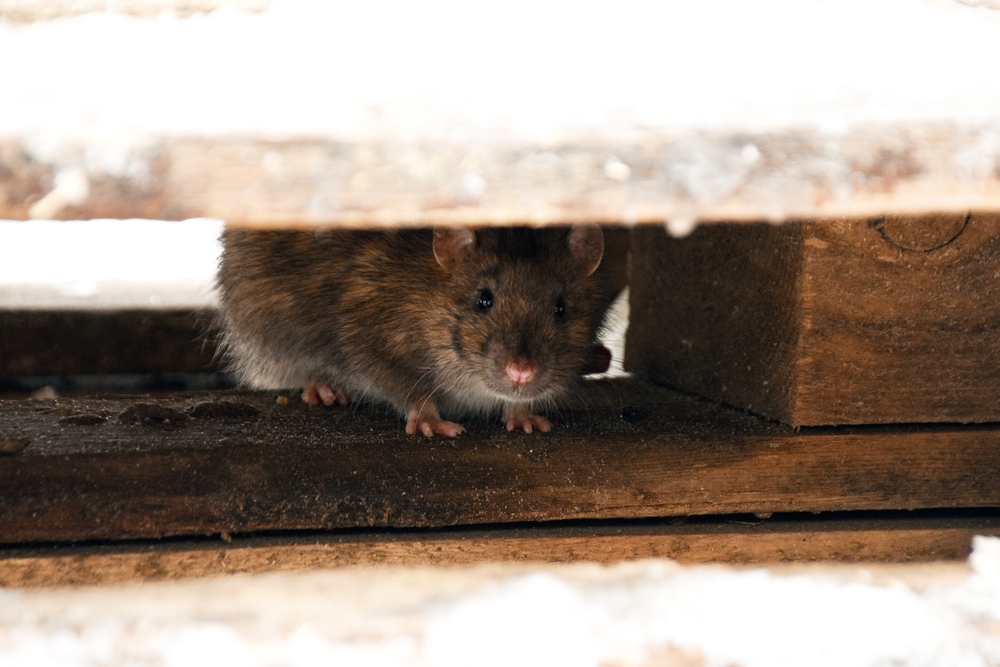
As winter settles into Corona, California, the chill in the air is not just felt by people. It’s also a seasonal signal for rodents like rats and mice to find shelter. Each year, as temperatures drop, homeowners in Corona experience a noticeable spike in rodent activity inside their homes. While this may seem like an unwelcome coincidence, there are strong biological and environmental reasons behind it. Understanding why this happens is the first step to learning how to keep mice out of the house during winter in Corona and maintaining a pest-free home.
This blog explores the seasonal behavior of rodents, the specific factors making Corona homes vulnerable, and the best ways to defend your living space against these stealthy invaders.
Why Winter Drives Rodents Indoors
Winter brings more than just colder temperatures; it also affects the behavior and survival strategies of wildlife. For rats and mice, staying outside becomes a game of survival when their food sources dwindle and harsh weather sets in. Rodents, like all mammals, seek warmth, shelter, and sustenance. In the wild, this would mean burrowing underground or seeking shelter in hollow trees. However, in suburban environments like Corona, homes become the perfect substitute.
A home offers everything rodents need: warmth from central heating, abundant food in pantries or trash bins, and plenty of hiding spots in attics, basements, walls, and garages. Once inside, they can breed rapidly and remain largely undetected until the infestation becomes too large to ignore. This is why it’s essential to understand how to keep mice out of the house during winter in Corona before the problem escalates.
Why Corona Homes Are Especially at Risk
Though many Southern California residents enjoy relatively mild winters compared to other parts of the country, Corona still experiences enough of a seasonal dip to drive rodents indoors. Unlike regions with consistent year-round cold, Corona’s brief but sharp winter months catch many homeowners off guard. This transition often occurs quickly, with overnight lows dropping enough to trigger rodent migrations into nearby homes.
The city’s mix of suburban neighborhoods, greenbelts, and commercial zones creates an ideal environment for rodents to thrive. Landscaping with dense shrubs, fruit trees, and compost piles offers perfect nesting areas just outside the home. Moreover, the age and construction style of many Corona homes can make them easier for rodents to enter. Small cracks in foundations, gaps around utility lines, and aging attic vents provide access points that rodents can exploit.
Construction or renovation work can also disturb outdoor nests, sending rodents fleeing into nearby structures. Once inside, they’ll explore every level of your home, from the attic to the kitchen. The seasonal pattern repeats each year, which is why learning how to keep mice out of the house during winter in Corona should be an annual priority.
Signs You Have a Rodent Problem
Many homeowners don’t realize they have a rodent issue until the signs are impossible to miss. During winter, you might hear scratching in the walls, ceilings, or under the floors at night when rodents are most active. You may find droppings in the pantry or near pet food, gnaw marks on packaging, or even see a mouse dart across the floor.
Unfortunately, by the time you observe visible signs, the infestation may already be advanced. Rats and mice breed quickly, and a single pregnant female can lead to dozens of offspring in just a few weeks. Beyond the nuisance factor, rodents are also carriers of disease and can contaminate your food, chew through electrical wiring, and damage insulation.
Because of these risks, preventive action is key. Knowing how to keep mice out of the house during winter in Corona is not just about avoiding annoyance; it’s about protecting your home, your health, and your peace of mind.
Effective Rodent Prevention Strategies
Rodent prevention is a multi-pronged approach that requires both vigilance and consistency. The first step is sealing entry points. Walk around your home and inspect the foundation, vents, eaves, and door frames. Even a hole the size of a dime is large enough for a mouse to squeeze through. Use steel wool, caulk, or hardware cloth to close these gaps. Weather stripping around doors and windows should also be checked and replaced if worn.
Inside the home, cleanliness is crucial. Crumbs and unsecured trash provide a food source that keeps rodents coming back. Store dry goods in sealed containers and don’t leave pet food out overnight. Vacuum and sweep regularly, especially in hidden corners where debris can accumulate unnoticed.
Outside, keep landscaping trimmed and eliminate debris piles near the house. Firewood should be stored at least 20 feet away from your home’s walls. If you have fruit trees, pick fallen fruit promptly. Rodents are excellent climbers, so overhanging branches near the roof should be cut back.
Another key strategy involves setting traps proactively during the colder months, especially in attics and garages where rodents often enter. While some homeowners choose DIY options, professional pest control services can provide more comprehensive protection. These services often include a detailed inspection, sealing of entry points, and a tailored treatment plan to remove any existing rodents and prevent future invasions.
If you’ve ever wondered how to keep mice out of the house during winter in Corona, consistent application of these measures each year can drastically reduce your risk.
Long-Term Benefits of Rodent-Proofing Your Home
The benefits of rodent-proofing go well beyond getting through one winter without a mouse sighting. Homes that are sealed and maintained properly are more energy-efficient, have fewer pest problems overall, and tend to retain higher property values. Homeowners also gain peace of mind knowing that their family isn’t being exposed to the health hazards posed by rodents.
Additionally, proactive rodent control helps maintain a cleaner and more sanitary living environment. By eliminating nesting areas and food sources, you’re not just deterring rodents; you’re also preventing the spread of bacteria, allergens, and parasites they often carry.
In a community like Corona, where winters are short but impactful, the seasonal uptick in rodent activity is both predictable and preventable. By adopting a mindset of prevention and staying alert to early warning signs, you can break the annual cycle of indoor invasions and enjoy your winter with one less thing to worry about.
Conclusion
As winter arrives in Corona, so does the increased threat of rodent invasions. Rats and mice are drawn indoors by cold weather and dwindling outdoor food sources. Unfortunately, many Corona homes offer the perfect refuge due to climate, construction styles, and landscaping that attract and shelter pests.
Understanding how to keep mice out of the house during winter in Corona is the first step toward effective prevention. From sealing entry points to maintaining cleanliness and considering professional help, there are several strategies homeowners can implement to defend their homes.
Winter may be brief in Corona, but rodent problems can last all year if not addressed promptly. By taking action now, you can safeguard your home, protect your family, and prevent a minor nuisance from becoming a major infestation. Don’t let the winter invasion catch you off guard, make this the season you take back control.
Need Pest Control Near You?
If you’re dealing with unwanted pests in your home, business, or industrial facility, don’t wait—reach out to us at Access Better Pest Management. Our expert team in Corona, CA is ready to deliver tailored solutions that go beyond just eliminating infestations—we ensure long-term protection and peace of mind. From thorough termite and rodent inspections to customized treatment plans and damage repairs, we’ve got you covered. Let us put our experience and dedication to work for you—contact us today and take the first step toward a safer, pest-free environment.
As the temperatures drop and the holiday season approaches, many Corona, CA homeowners prepare their homes for winter by decorating, winterizing plumbing, and tuning heating systems. However, one crucial aspect that often gets overlooked is pest control. Cold weather drives many pests indoors, seeking warmth, food, and shelter. If your home isn’t properly prepared, you may be rolling out the welcome mat for rodents, spiders, cockroaches, and other unwanted winter guests.
To help you protect your home this season, we’ve put together a detailed winter home pest proofing checklist for Corona, CA. These five essential tasks will help ensure your home stays pest-free through January and beyond.
Seal Exterior Entry Points
The first step in keeping pests out during winter is inspecting your home’s exterior for entry points. Even the smallest gaps or cracks can be an open door for insects and rodents. Pay close attention to areas around windows, doors, utility lines, vents, and foundation walls. Common intruders like mice can squeeze through openings as small as a dime, so nothing should be dismissed as too tiny.
Use silicone-based caulk to seal cracks and gaps in siding or around window and door frames. Expanding foam is great for larger holes, especially around pipes and utility openings. Don’t forget to replace worn weather stripping and install door sweeps to eliminate gaps under doors. Garages, attics, and crawl spaces should also be checked and sealed. Thorough sealing not only prevents pest entry but also improves energy efficiency in your home.
Inspect and Maintain Attics and Basements
Attics and basements are favorite winter hideouts for pests in Corona homes. They provide warmth, darkness, and often go undisturbed for long periods, ideal conditions for nesting. Rodents, silverfish, and even raccoons may seek shelter in these areas if given the opportunity.
Start by removing any clutter that could serve as hiding spots. Store seasonal decorations and other items in plastic bins with secure lids rather than cardboard boxes, which rodents can chew through easily. Check insulation for signs of damage or nesting, such as shredded material or droppings. It’s also important to look for any water leaks or signs of moisture. Many pests are drawn to damp environments, so a dry, well-ventilated space is key to discouraging infestations.
Regularly inspect vents and make sure they are screened properly to keep pests out while still allowing airflow. Trim any tree limbs or shrubs that overhang the roof, as these can serve as highways for rodents trying to enter your attic.
Eliminate Moisture Sources
Even during the dry winter months in Corona, excess indoor moisture can create a haven for pests like cockroaches, silverfish, and termites. These pests thrive in damp environments, so eliminating excess moisture is a top priority in your winter home pest proofing checklist for Corona, CA.
Begin by inspecting plumbing fixtures and pipes for leaks or condensation. Pay special attention to bathrooms, kitchens, laundry rooms, and under sinks. Fix any dripping faucets, leaky pipes, or clogged drains right away. A dehumidifier may be necessary in basements or crawl spaces with persistent humidity.
Ensure gutters and downspouts are cleaned and draining away from the house to prevent water from pooling around the foundation. Also, check for water accumulation in flower pots, buckets, or other outdoor containers. Indoors, make sure that your dryer vents properly and that exhaust fans are used during cooking or showering to minimize indoor humidity.
A dry home is not only healthier and more comfortable for your family, but it’s also far less attractive to pests.
Store Food and Trash Securely
When temperatures drop, pests are not just seeking shelter but also food. Kitchens, pantries, and even garages can become buffet lines for pests if food or trash is improperly stored. Rodents, ants, and roaches are particularly persistent during winter, and once they find a food source, they rarely leave willingly.
Store all food in airtight containers, especially grains, pet food, and cereals that are often stored in bags or boxes. Don’t leave fruit or bread on countertops overnight, and keep floors, counters, and cabinets free of crumbs and spills. Be particularly vigilant during the holiday season when baking and cooking increase the chances of dropped food.
Trash is another major attractant. Use lidded trash cans inside and outside your home, and empty them regularly. Compost bins should be well-sealed and positioned away from the house. If you recycle bottles and cans, rinse them before storing and keep recycling bins clean and covered.
By cutting off their food supply, you significantly reduce the likelihood of a winter pest infestation in your home.
Schedule Preventative Pest Control Service
While DIY pest-proofing steps go a long way, professional pest control services provide an added layer of protection that’s particularly important during the winter months. Corona’s climate, though milder than other regions, still prompts pests to seek shelter indoors. A trained pest control technician can inspect your property for signs of existing activity, apply targeted treatments, and identify vulnerabilities you may have missed.
A winter pest control service often includes perimeter treatments, baiting for rodents, and inspection of common nesting areas like attics, crawlspaces, and wall voids. They can also provide exclusion services such as sealing entry points or setting up barriers in particularly pest-prone areas.
Even if you haven’t seen signs of pests yet, scheduling preventative service before January ensures your home is well-protected when pest activity tends to spike. Many local companies offer winter pest control packages tailored to Corona homes, taking into account regional pest behavior and local building styles.
Don’t wait until pests make themselves at home. A proactive approach can save you from expensive infestations and repairs in the new year.
Conclusion
Winter may bring cooler weather and festive gatherings, but it also brings a higher risk of pest intrusions for homeowners in Corona, CA. Taking action now, before January arrives, can make a world of difference in keeping your home secure and comfortable throughout the colder months.
From sealing up entry points and reducing moisture, to properly storing food and investing in professional help, each step of this winter home pest proofing checklist for Corona, CA is a crucial line of defense against winter invaders. By following these five essential tasks, you’ll enjoy a pest-free home and greater peace of mind all winter long.
Need Pest Control Near You?
If you’re dealing with unwanted pests in your home, business, or industrial facility, don’t wait—reach out to us at Access Better Pest Management. Our expert team in Corona, CA is ready to deliver tailored solutions that go beyond just eliminating infestations—we ensure long-term protection and peace of mind. From thorough termite and rodent inspections to customized treatment plans and damage repairs, we’ve got you covered. Let us put our experience and dedication to work for you—contact us today and take the first step toward a safer, pest-free environment.
California’s mild climate may make it a haven for year-round living, but when it comes to pests, particularly rats and mice, the state sees a dramatic spike in rodent control issues during the colder months. Between November and February, homeowners across California face an increased threat of rodent infestations. The reason is simple: rodents are looking for shelter, food, and warmth, and your home offers all three. Understanding the root causes of this seasonal surge and how to prepare can help protect your property from serious damage.
Why Rodents Invade California Homes in Winter
While California doesn’t experience the frigid winters common in the Midwest or Northeast, temperatures still dip enough during late fall and winter to send rodents scrambling for warmth. Roof rats, Norway rats, and house mice are the most common culprits. These rodents are highly adaptable and often take advantage of small cracks or openings in walls, roofs, and crawl spaces to gain entry to homes.
During November through February, the natural food sources that rodents rely on—like seeds, fruits, and insects—begin to dwindle. As the availability of food decreases outdoors, rodents are drawn to human habitats where garbage, pantry goods, pet food, and compost bins provide easy pickings. Warmth and shelter from predators are added bonuses. Once inside, rodents quickly establish nests, often within attics, insulation, or behind walls, where they are difficult to detect until the infestation has grown.
Rodents reproduce quickly, with rats capable of producing up to 6 litters a year and mice up to 10. A single pregnant rodent entering your home in November could result in a full-blown infestation by January if not dealt with early.
The Consequences of Ignoring a Winter Rodent Infestation
The presence of rats or mice in your home during winter isn’t just a nuisance—it’s a threat to both your property and your health. Rodents are notorious chewers, and they often gnaw through electrical wiring, wood framing, and even plumbing lines, creating fire hazards and expensive repairs. Their droppings and urine can contaminate food and surfaces, contributing to the spread of diseases like hantavirus, leptospirosis, and salmonella.
In addition to physical damage, rodent infestations can trigger allergic reactions and asthma attacks, especially in children and seniors. The scent trails left by rodents can also attract more of their kind, compounding the problem as the winter season progresses.
Moreover, rodents are skilled at staying hidden. By the time you hear scratching in the walls or notice droppings, they may have already caused significant damage behind the scenes. This is why professional intervention is often necessary and why acting during the colder months is crucial to avoid a growing infestation.
Why Rodent Control Services Are in High Demand from November to February
The rise in rodent activity during California’s cooler months directly correlates with a surge in demand for pest control services. Exterminators and rodent-proofing professionals see the highest call volumes during this time as panicked homeowners react to sightings or signs of infestation. However, reacting only after rodents have made it inside is often too late to prevent damage.
Because rodents are expert hiders and reproduce rapidly, removal becomes more complex and costly as time goes on. This seasonal influx means homeowners may face delays in scheduling appointments, and prices may rise due to demand. That’s why preventative action ahead of the peak months is often more effective and economical.
Professional pest control companies use this season to reinforce a critical message: proactive proofing is always better than reactive extermination. Understanding the best time for rodent proofing a California home can give you a major advantage in keeping pests out for good.
The Best Time for Rodent Proofing a California Home
The most effective way to deal with rodents is to prevent them from entering your home in the first place. Experts agree that the best time for rodent proofing a California home is during the fall months—particularly September and October—before the cold weather sets in. During this period, rodents are still mostly outdoors, and early action can block their typical entry points.
Rodent proofing involves a thorough inspection of your property to identify and seal potential entry points. This includes gaps in roofing, vents, pipes, and foundation cracks as small as a quarter-inch. Professionals may install rodent-resistant mesh, weather stripping, and door sweeps while also advising on food storage and waste management practices.
Starting early allows homeowners to secure their property ahead of the rodent migration that begins with the first cold snaps in November. Waiting until winter is already underway increases the risk that rodents will have already entered the home, necessitating removal in addition to proofing, which often leads to higher costs.
Seasonal proofing also aligns with the natural behavior of rodents. As temperatures start to drop, their search for warmth becomes urgent, making fall the ideal window for intervention. Homeowners who act during this timeframe enjoy peace of mind throughout the winter months.
How to Recognize the Early Signs of a Rodent Problem
Even if you miss the fall window for preventative proofing, recognizing the early signs of rodent activity can help limit damage and increase the effectiveness of control efforts. Scratching noises in the walls or ceilings—especially at night—are one of the first indicators. Rodents are nocturnal and become more active when the house is quiet.
Other signs include the presence of droppings, particularly in kitchen drawers, pantries, or under sinks. You may also notice gnaw marks on food packaging, furniture, or wiring. Grease marks along baseboards, caused by the oils in rodent fur, can indicate their travel routes. A sudden increase in pet behavior—such as barking at walls or scratching at baseboards—can also be a red flag.
If you detect any of these signs between November and February, prompt action is essential. The infestation is likely growing, and without immediate treatment, the consequences can escalate quickly. At this point, professional intervention is typically required, including trapping, baiting, removal, and post-removal proofing.
Homeowners should also understand that do-it-yourself solutions often fall short. Over-the-counter traps may catch a few individuals but won’t address the root cause or the hidden nest. Professionals can conduct a comprehensive assessment, deploy industrial-grade methods, and ensure thorough cleanup and sanitation to prevent re-infestation.
Conclusion
While California winters are mild compared to other parts of the country, they are severe enough to drive rodents indoors in search of food, warmth, and shelter. Between November and February, rodent activity peaks dramatically, making this the worst time for infestations—and the busiest time for pest control companies. Unfortunately, many homeowners wait until it’s too late, addressing infestations only after signs become obvious.
Understanding that the best time for rodent proofing a California home is in the fall provides a critical head start against seasonal infestations. Sealing entry points, eliminating attractants, and conducting regular inspections before the winter rush can save homeowners from the financial, structural, and health consequences of a rodent problem. Whether you’re a new homeowner or a longtime resident, staying ahead of the rodent migration cycle with timely proofing is the smartest way to keep your home safe and rodent-free during the coldest months of the year.
If you’ve already heard scratching in the walls or found the telltale signs of an infestation, don’t wait. Contact a rodent control professional immediately and begin a treatment and prevention plan that will restore peace of mind and protect your home until spring.
Need Pest Control Near You?
If you’re dealing with unwanted pests in your home, business, or industrial facility, don’t wait—reach out to us at Access Better Pest Management. Our expert team in Corona, CA is ready to deliver tailored solutions that go beyond just eliminating infestations—we ensure long-term protection and peace of mind. From thorough termite and rodent inspections to customized treatment plans and damage repairs, we’ve got you covered. Let us put our experience and dedication to work for you—contact us today and take the first step toward a safer, pest-free environment.
When the temperatures start to drop, we instinctively turn inward for warmth, comfort, and safety. But while you might be focused on cozy blankets and warm drinks, there’s another group also looking for refuge: pests. Each winter, countless California homeowners unknowingly offer shelter to unwelcome guests. These invaders aren’t just a nuisance; they can damage property, carry disease, and disrupt your peace of mind. Understanding the pests that come inside California homes in winter is key to preventing infestations before they start. Let’s explore the top five pests most likely to turn your home into their winter haven.
Rodents: The Uninvited Roommates
Of all the pests that come inside California homes in winter, rodents are among the most notorious. Mice and rats are driven indoors by the cold, in search of food, warmth, and nesting sites. These critters can squeeze through incredibly small openings—some no larger than a dime—and once inside, they breed quickly. A single pair of mice can lead to hundreds in just a matter of months.
Rodents are not just gross; they are destructive. They chew through insulation, wires, and drywall. That gnawing sound in the walls or attic? Likely them. They pose significant health risks too. Their droppings can contaminate food, and their presence has been linked to diseases such as hantavirus and salmonella. California homes, especially older ones with tiny cracks or poorly sealed doors, are particularly vulnerable.
Rodents often go unnoticed until the damage is done, which makes proactive measures essential. Sealing entry points, trimming vegetation near your home, and keeping food sealed are good starting points. Still, once they’ve settled in, professional removal is often necessary.
Cockroaches: Masters of Survival
Cockroaches might be synonymous with dirty apartments and neglected kitchens, but in California, they’re an all-season problem—just more pronounced in winter. American and German cockroaches, the two most common species in the state, often retreat indoors as temperatures fall. They are particularly attracted to moist, warm environments, making your kitchen, laundry room, or bathroom prime real estate.
These pests are resilient, surviving on the smallest crumbs and hiding in the tiniest crevices. They reproduce quickly, and once you see one, there are likely dozens more hiding behind walls or appliances. Cockroaches are among the most dreaded pests that come inside California homes in winter because they’re so difficult to eliminate without professional intervention.
What’s more, cockroaches are a serious health hazard. They carry bacteria on their bodies and are known to trigger asthma and allergy symptoms, particularly in children. Sanitation is critical in cockroach prevention. Regularly cleaning under appliances, fixing leaky faucets, and taking out the trash frequently are small habits that can make a big difference. But if these pests are already indoors, it’s best to consult a pest control expert before the problem spirals out of control.
Spiders: Creeping in with the Cold
California is home to a variety of spider species, and while many are harmless, some—like the black widow—can pose a real threat. As the weather cools, spiders move indoors not because they’re cold-blooded in the emotional sense, but because their prey—other insects—are also seeking indoor shelter. Where there’s food, spiders will follow.
Spiders prefer quiet, undisturbed spaces: garages, attics, basements, and closets. You might first notice their webs, often tucked into corners or around windows. Unlike some pests that cause immediate damage, spiders are more passive, acting as a warning sign that other bugs are present. Still, their presence can be unsettling, especially for those with arachnophobia.
Although spiders do help control other insects, having them inside isn’t ideal. Vacuuming regularly, removing webs as soon as they appear, and reducing clutter are good ways to minimize spider activity. For more persistent problems, professional treatment may be required—especially if venomous species are spotted.
Ants: Tiny Invaders with Big Plans
Most people associate ants with summer picnics and outdoor barbecues, but in reality, ants are another example of pests that come inside California homes in winter. Certain species, like the Argentine ant, are particularly common in the state and are known for their invasive behavior. As the weather gets cooler and food sources outside dwindle, ants often turn their attention to the warmth and sustenance offered by residential homes.
Once inside, ants establish complex trail systems leading to their nest sites. Kitchens and pantries are their primary targets, where even the smallest food particle can attract a horde. Ants are incredibly persistent and have a way of returning even after you think you’ve eliminated them.
Dealing with ants requires both short-term and long-term strategies. Immediate control might include bait traps or sprays, but effective ant management also involves eliminating scent trails, storing food securely, and fixing entry points. Because ants can establish colonies inside wall voids or foundations, calling a pest control professional is often necessary for complete eradication.
Silverfish: Silent and Destructive
Though less widely recognized than other pests, silverfish are increasingly among the most common pests that come inside California homes in winter. These tiny, silver-gray insects thrive in dark, damp environments and feed on a variety of starchy materials: wallpaper glue, books, fabrics, even pantry staples like flour and cereal. They’re most active at night, making them difficult to spot until the damage is already visible.
Silverfish don’t carry disease, but they can be a real nuisance. They damage belongings and multiply rapidly in favorable conditions. Bathrooms, basements, and kitchens are all hotspots for silverfish activity during the winter months. Their presence is also an indicator of high humidity, which can lead to mold and other problems over time.
Controlling silverfish involves reducing moisture through dehumidifiers or improved ventilation, sealing cracks, and keeping stored materials dry and clean. Sticky traps may catch a few, but like many pests, once an infestation is established, it may require professional treatment to fully resolve.
Conclusion
As the cold sets in across California, your home becomes a beacon for various pests seeking warmth, food, and shelter. From the scurrying rodents in your attic to the silent silverfish nibbling at your books, the types of pests that come inside California homes in winter are more diverse and damaging than many realize. Being proactive is your best defense. Sealing up entry points, maintaining a clean home, and addressing moisture issues are foundational steps. However, once pests have made themselves comfortable, the problem usually escalates quickly, often requiring professional help.
Understanding what you’re up against is the first step toward keeping your home pest-free all winter long. While you enjoy the comfort of your indoor retreat this season, make sure it’s not doubling as a haven for unwanted invaders.
Need Pest Control Near You?
If you’re dealing with unwanted pests in your home, business, or industrial facility, don’t wait—reach out to us at Access Better Pest Management. Our expert team in Corona, CA is ready to deliver tailored solutions that go beyond just eliminating infestations—we ensure long-term protection and peace of mind. From thorough termite and rodent inspections to customized treatment plans and damage repairs, we’ve got you covered. Let us put our experience and dedication to work for you—contact us today and take the first step toward a safer, pest-free environment.
Southern California is home to a climate that encourages outdoor living, but unfortunately, it also provides the perfect environment for termites. While most homeowners in Los Angeles know termites can cause significant structural damage, many are caught off guard when termite swarms appear. Seeing a cloud of flying insects near your property can be alarming, and for good reason. A swarm is a sign that a colony is thriving nearby and may already be threatening your home. Understanding when to worry, what steps to take, and how the cost of termite inspection after swarm in Southern California compares to the damage they can cause is essential for every homeowner.
Understanding Termite Swarms in Los Angeles
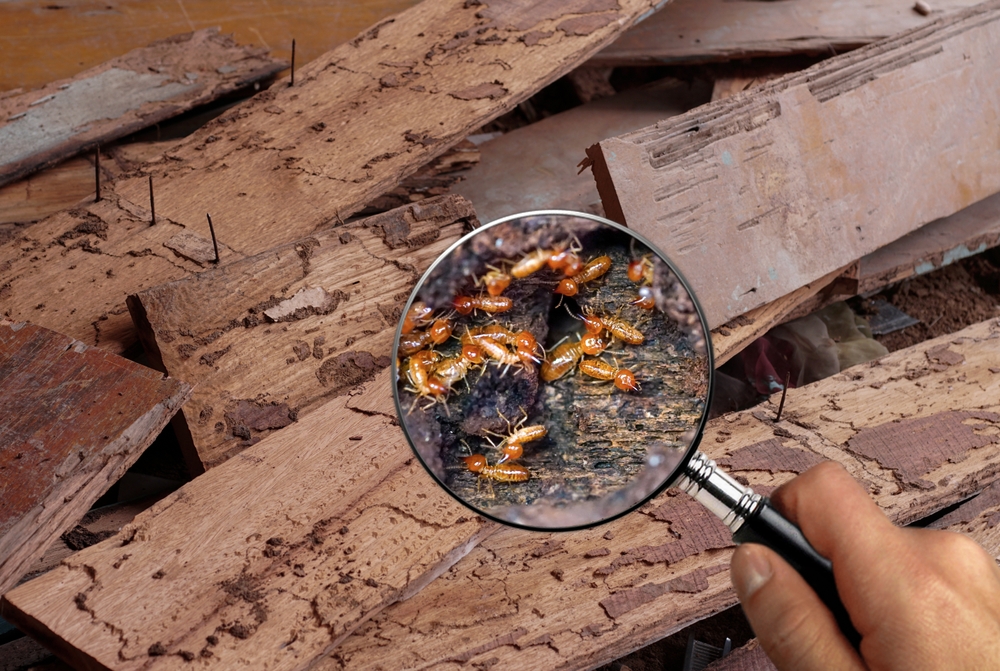
A termite swarm occurs when a mature colony produces winged reproductive termites, called alates, that leave the nest in search of new places to establish colonies. In Los Angeles, termite swarms are most commonly associated with two destructive species: drywood termites and subterranean termites. Both species thrive in the region’s warm climate and can create extensive problems if left unchecked.
Drywood termites typically swarm during late summer and fall, while subterranean termites tend to swarm during springtime after a rain. This means that Los Angeles homeowners can be at risk for swarms at multiple times of the year. Swarms usually take place in the late morning or afternoon, and while they only last a short period, they indicate that a colony is nearby. Unlike harmless flying insects, swarmers drop their wings after mating, leaving behind piles of discarded wings near windowsills, doors, or light fixtures. These are often the first visual signs of an infestation.
Understanding these seasonal behaviors is crucial because termite swarms are not random events. They are carefully timed reproductive strategies, and their appearance near your property is a warning flag that action is needed.
Why Termite Swarms Signal a Serious Problem
While the sight of flying termites may be fleeting, the implications are long-lasting. A swarm signifies that the existing colony is thriving, mature, and expanding. Termites are not just outdoor pests; they are silent invaders capable of compromising the structural integrity of homes over time. Subterranean termites, for example, live underground and build mud tubes to access wood inside homes, while drywood termites can live entirely within the wood of your home without requiring soil contact. Both species can feed continuously, often without obvious signs until damage has become extensive.
The financial impact of ignoring a swarm can be devastating. Termites cause billions of dollars in property damage annually across the United States, and Los Angeles properties are particularly vulnerable due to construction styles that often include wood framing and stucco exteriors. Once termites have established themselves, repairs can be costly, invasive, and disruptive. The cost of termite inspection after swarm in Southern California is minimal when compared to the expense of replacing damaged wood, repairing compromised foundations, or dealing with mold and moisture issues that can accompany infestations.
What makes termites especially dangerous is their stealth. A swarm might be the only obvious indicator of a larger hidden problem. Many infestations go unnoticed until a homeowner schedules an inspection or uncovers damage during renovations. This is why swarms should never be dismissed as isolated events.
What to Do Immediately After Seeing a Swarm
If you encounter a termite swarm in or near your Los Angeles home, quick action is crucial. The first step is not to panic. While alarming, swarms provide valuable warning signs that give you an opportunity to intervene before more serious damage occurs. The next step is to schedule a professional termite inspection as soon as possible. A licensed pest control specialist can determine whether the swarm originated inside your home or nearby, and they can assess whether there is an active infestation requiring immediate treatment.
During this inspection, professionals will examine areas prone to termite activity such as crawl spaces, attics, basements, and wooden framing. They may also look for mud tubes, droppings, or damaged wood. Depending on the severity of the infestation, treatment options may include localized treatments for drywood termites, baiting systems for subterranean termites, or full-structure fumigation for widespread infestations.
Attempting to handle a swarm without professional help is rarely effective. While killing visible swarmers may temporarily reduce the insects you see, it does nothing to address the colony that produced them. Professional inspections not only confirm the source of the swarm but also provide a treatment plan that can eliminate the problem at its root.
This is also the time to think about prevention. Once an inspection has been completed, homeowners can take proactive steps such as reducing moisture around the foundation, sealing cracks in walls or roofing, and scheduling regular termite monitoring. In Los Angeles, with its year-round mild weather, prevention is as important as treatment.
The Cost of Inspection Versus the Cost of Damage
Many homeowners hesitate when they see the potential price tag of a termite inspection or treatment. However, it is important to put this into perspective. The cost of termite inspection after swarm in Southern California is generally affordable compared to the structural repairs that result from ignoring an infestation. Inspections can range from free evaluations provided by some companies to modest fees, depending on the service. Even when treatment is required, early intervention significantly reduces costs compared to addressing severe structural damage later.
For example, repairing damage caused by subterranean termites in floor joists, foundations, or walls can cost thousands of dollars. In contrast, a routine inspection and preventative treatment may only be a fraction of that cost. Many pest control companies in Los Angeles offer annual inspection packages, providing peace of mind that infestations will be detected early before they escalate. When factoring in the value of your property and the potential for resale complications if termite damage is found during escrow, the cost of inspection is an investment rather than an expense.
In addition, homeowner insurance policies typically do not cover termite damage, since infestations are considered preventable through regular maintenance. This places full responsibility on the homeowner to protect their property. Considering the long-term financial and structural risks, the decision to schedule a termite inspection immediately after seeing a swarm is both practical and necessary.
Long-Term Protection and Peace of Mind
Dealing with termite swarms is not just about addressing the immediate threat; it is about securing long-term protection for your home. In Los Angeles, where termite activity is persistent due to favorable weather, it is important to adopt a comprehensive approach. Regular inspections, combined with preventative treatments, are the most effective ways to safeguard your property. Many pest control providers offer warranties or service agreements that cover ongoing monitoring, ensuring that even if termites return, treatment is provided without additional high costs.
Homeowners should also educate themselves about the signs of termite activity beyond swarms. Hollow-sounding wood, blistering paint, or droppings resembling sawdust can all indicate active infestations. By remaining vigilant, homeowners can reduce the chances of severe infestations taking hold.
Equally important is maintaining a relationship with a trusted local pest control company. Professionals who understand the specific behaviors of drywood and subterranean termites in Los Angeles can tailor solutions to your home’s construction and risk factors. With their help, you can shift from a reactive approach to a preventative strategy, saving time, money, and stress.
Conclusion
Termite swarms in Los Angeles are more than just a seasonal nuisance. They are a visible warning that a mature colony is nearby and potentially threatening your home. Recognizing the seriousness of swarms, understanding their timing and significance, and taking immediate steps to schedule an inspection are critical for protecting your property. While some homeowners worry about the cost of termite inspection after swarm in Southern California, this expense is small compared to the financial and emotional toll of repairing structural damage caused by an unchecked infestation.
By acting promptly and investing in long-term preventative measures, Los Angeles homeowners can preserve the integrity of their properties, avoid costly repairs, and gain peace of mind. Termites may be persistent, but with awareness and professional support, their impact can be controlled and prevented.
Need Pest Control Near You?
If you’re dealing with unwanted pests in your home, business, or industrial facility, don’t wait—reach out to us at Access Better Pest Management. Our expert team in Corona, CA is ready to deliver tailored solutions that go beyond just eliminating infestations—we ensure long-term protection and peace of mind. From thorough termite and rodent inspections to customized treatment plans and damage repairs, we’ve got you covered. Let us put our experience and dedication to work for you—contact us today and take the first step toward a safer, pest-free environment.