

The Winter Invasion: Why Corona Homes See More Rats and Mice Indoors
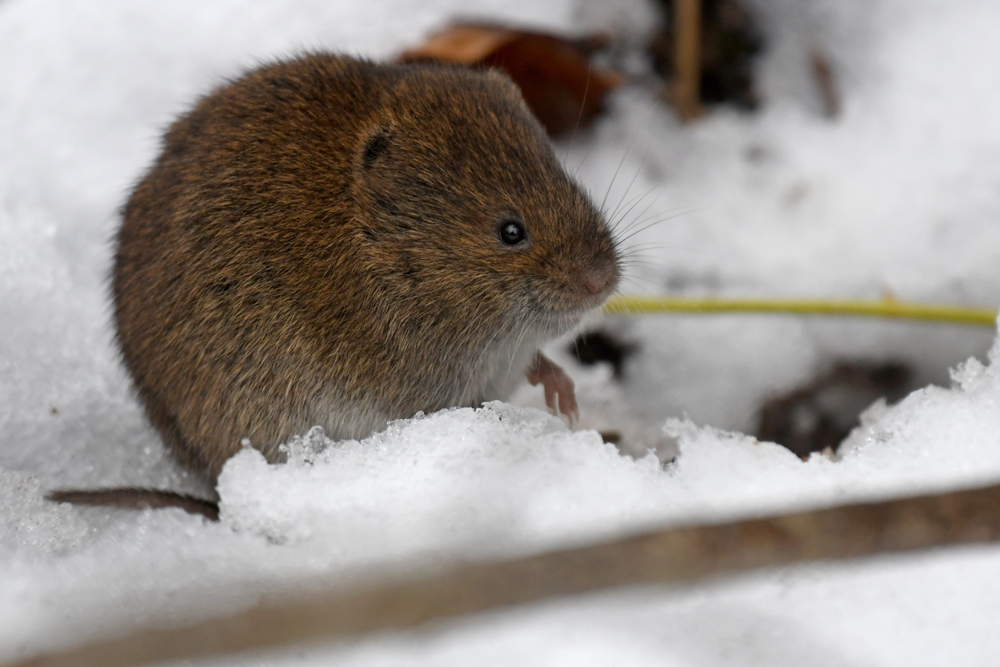
As winter settles into Corona, California, the chill in the air is not just felt by people. It’s also a seasonal signal for rodents like rats and mice to find shelter. Each year, as temperatures drop, homeowners in Corona experience a noticeable spike in rodent activity inside their homes. While this may seem like an unwelcome coincidence, there are strong biological and environmental reasons behind it. Understanding why this happens is the first step to learning how to keep mice out of the house during winter in Corona and maintaining a pest-free home.
This blog explores the seasonal behavior of rodents, the specific factors making Corona homes vulnerable, and the best ways to defend your living space against these stealthy invaders.
Why Winter Drives Rodents Indoors
Winter brings more than just colder temperatures; it also affects the behavior and survival strategies of wildlife. For rats and mice, staying outside becomes a game of survival when their food sources dwindle and harsh weather sets in. Rodents, like all mammals, seek warmth, shelter, and sustenance. In the wild, this would mean burrowing underground or seeking shelter in hollow trees. However, in suburban environments like Corona, homes become the perfect substitute.
A home offers everything rodents need: warmth from central heating, abundant food in pantries or trash bins, and plenty of hiding spots in attics, basements, walls, and garages. Once inside, they can breed rapidly and remain largely undetected until the infestation becomes too large to ignore. This is why it’s essential to understand how to keep mice out of the house during winter in Corona before the problem escalates.
Why Corona Homes Are Especially at Risk
Though many Southern California residents enjoy relatively mild winters compared to other parts of the country, Corona still experiences enough of a seasonal dip to drive rodents indoors. Unlike regions with consistent year-round cold, Corona’s brief but sharp winter months catch many homeowners off guard. This transition often occurs quickly, with overnight lows dropping enough to trigger rodent migrations into nearby homes.
The city’s mix of suburban neighborhoods, greenbelts, and commercial zones creates an ideal environment for rodents to thrive. Landscaping with dense shrubs, fruit trees, and compost piles offers perfect nesting areas just outside the home. Moreover, the age and construction style of many Corona homes can make them easier for rodents to enter. Small cracks in foundations, gaps around utility lines, and aging attic vents provide access points that rodents can exploit.
Construction or renovation work can also disturb outdoor nests, sending rodents fleeing into nearby structures. Once inside, they’ll explore every level of your home, from the attic to the kitchen. The seasonal pattern repeats each year, which is why learning how to keep mice out of the house during winter in Corona should be an annual priority.
Signs You Have a Rodent Problem
Many homeowners don’t realize they have a rodent issue until the signs are impossible to miss. During winter, you might hear scratching in the walls, ceilings, or under the floors at night when rodents are most active. You may find droppings in the pantry or near pet food, gnaw marks on packaging, or even see a mouse dart across the floor.
Unfortunately, by the time you observe visible signs, the infestation may already be advanced. Rats and mice breed quickly, and a single pregnant female can lead to dozens of offspring in just a few weeks. Beyond the nuisance factor, rodents are also carriers of disease and can contaminate your food, chew through electrical wiring, and damage insulation.
Because of these risks, preventive action is key. Knowing how to keep mice out of the house during winter in Corona is not just about avoiding annoyance; it’s about protecting your home, your health, and your peace of mind.
Effective Rodent Prevention Strategies
Rodent prevention is a multi-pronged approach that requires both vigilance and consistency. The first step is sealing entry points. Walk around your home and inspect the foundation, vents, eaves, and door frames. Even a hole the size of a dime is large enough for a mouse to squeeze through. Use steel wool, caulk, or hardware cloth to close these gaps. Weather stripping around doors and windows should also be checked and replaced if worn.
Inside the home, cleanliness is crucial. Crumbs and unsecured trash provide a food source that keeps rodents coming back. Store dry goods in sealed containers and don’t leave pet food out overnight. Vacuum and sweep regularly, especially in hidden corners where debris can accumulate unnoticed.
Outside, keep landscaping trimmed and eliminate debris piles near the house. Firewood should be stored at least 20 feet away from your home’s walls. If you have fruit trees, pick fallen fruit promptly. Rodents are excellent climbers, so overhanging branches near the roof should be cut back.
Another key strategy involves setting traps proactively during the colder months, especially in attics and garages where rodents often enter. While some homeowners choose DIY options, professional pest control services can provide more comprehensive protection. These services often include a detailed inspection, sealing of entry points, and a tailored treatment plan to remove any existing rodents and prevent future invasions.
If you’ve ever wondered how to keep mice out of the house during winter in Corona, consistent application of these measures each year can drastically reduce your risk.
Long-Term Benefits of Rodent-Proofing Your Home
The benefits of rodent-proofing go well beyond getting through one winter without a mouse sighting. Homes that are sealed and maintained properly are more energy-efficient, have fewer pest problems overall, and tend to retain higher property values. Homeowners also gain peace of mind knowing that their family isn’t being exposed to the health hazards posed by rodents.
Additionally, proactive rodent control helps maintain a cleaner and more sanitary living environment. By eliminating nesting areas and food sources, you’re not just deterring rodents; you’re also preventing the spread of bacteria, allergens, and parasites they often carry.
In a community like Corona, where winters are short but impactful, the seasonal uptick in rodent activity is both predictable and preventable. By adopting a mindset of prevention and staying alert to early warning signs, you can break the annual cycle of indoor invasions and enjoy your winter with one less thing to worry about.
Conclusion
As winter arrives in Corona, so does the increased threat of rodent invasions. Rats and mice are drawn indoors by cold weather and dwindling outdoor food sources. Unfortunately, many Corona homes offer the perfect refuge due to climate, construction styles, and landscaping that attract and shelter pests.
Understanding how to keep mice out of the house during winter in Corona is the first step toward effective prevention. From sealing entry points to maintaining cleanliness and considering professional help, there are several strategies homeowners can implement to defend their homes.
Winter may be brief in Corona, but rodent problems can last all year if not addressed promptly. By taking action now, you can safeguard your home, protect your family, and prevent a minor nuisance from becoming a major infestation. Don’t let the winter invasion catch you off guard, make this the season you take back control.
Need Pest Control Near You?
If you’re dealing with unwanted pests in your home, business, or industrial facility, don’t wait—reach out to us at Access Better Pest Management. Our expert team in Corona, CA is ready to deliver tailored solutions that go beyond just eliminating infestations—we ensure long-term protection and peace of mind. From thorough termite and rodent inspections to customized treatment plans and damage repairs, we’ve got you covered. Let us put our experience and dedication to work for you—contact us today and take the first step toward a safer, pest-free environment.